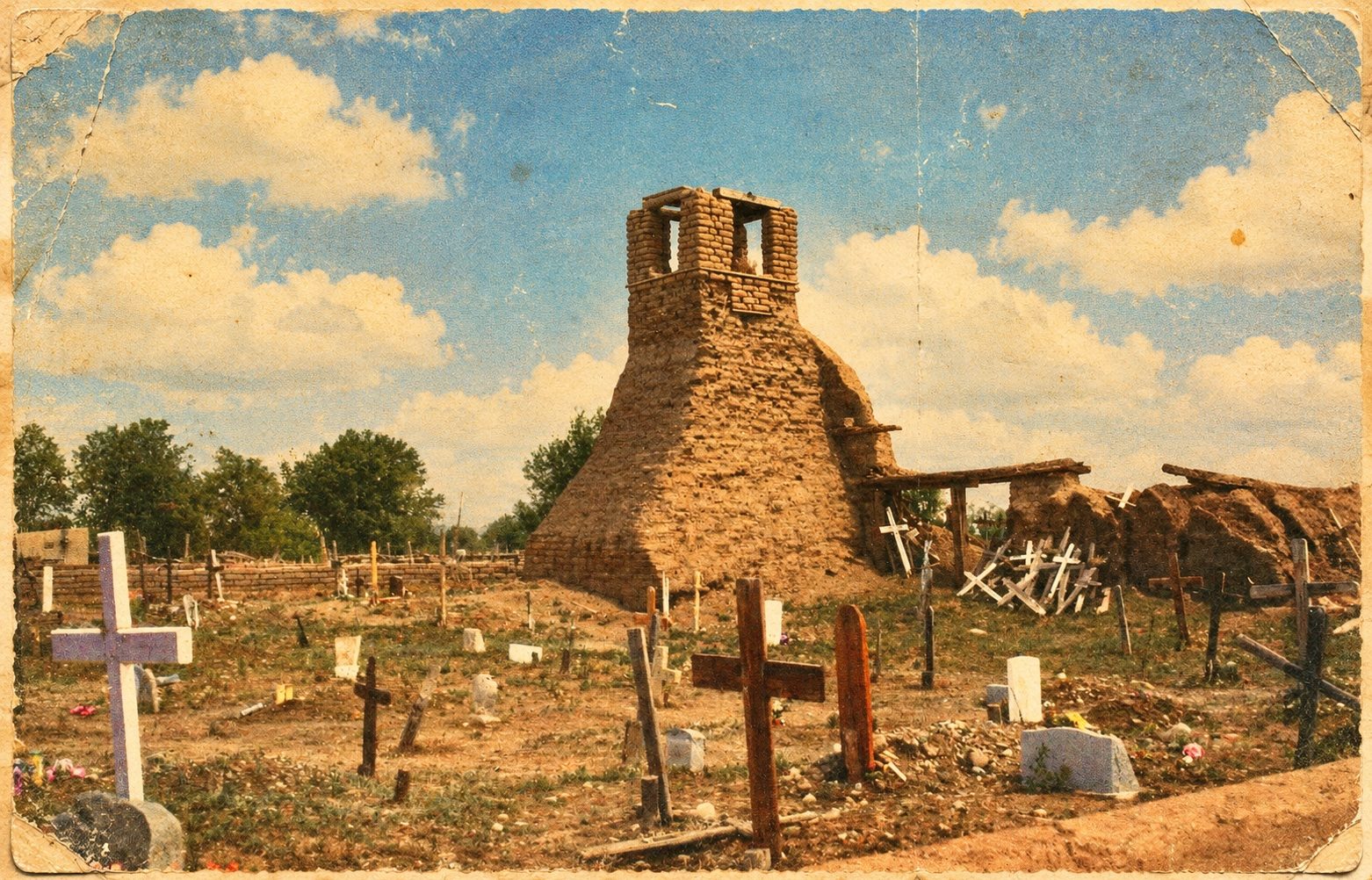
Robin and I are watching The Forsyte Saga these days, on PBS. In one of the episodes there is a funeral for an elder of the family, and one of the characters reads a few lines at graveside that caught me like a thornbranch hooking my shirt on a brambly path. I looked the words up, and found (just like nearly every other damn time I look anything up) that they were William Shakespeare’s words.

What is with that guy, anyhow? He was only fifty-two years old when he died, and yet he pretty much wrote the dialogue for the English-speaking world … or does it just seem that way?
But to get on with things. The words came from Cymbeline, Act IV, Scene 2, and I believe it is the most beautiful funeral oration I’ve heard or read. Here is the passage in its entirety.
Fear no more the heat o’ the sun,
Nor the furious winter’s rages;
Thou thy worldly task hast done,
Home art gone, and ta’en thy wages;
Golden lads and girls all must,
As chimney-sweepers, come to dust.
Fear no more the frown o’ the great;
Thou art past the tyrant’s stroke;
Care no more to clothe and eat;
To thee the reed is as the oak:
The sceptre, learning, physic, must
All follow this, and come to dust.Margaret
Fear no more the lightning-flash,
Nor the all-dreaded thunder-stone;
Fear not slander, censure rash;
Thou hast finish’d joy and moan;
All lovers young, all lovers must
Consign to thee, and come to dust.
No exorciser harm thee!
Nor no witchcraft charm thee!
Ghost unlaid forbear thee!
Nothing ill come near thee!
Quiet consummation have;
And renownèd be thy grave!
******
Found this graphic this past week. If you’ve ever lived with a cat, you know the truth of it.

******
When I first ran across Margaret Atwood’s famous quote I thought to myself – One more exaggeration written by yet another cranky virago. But as I thought longer about those 17 words, I came to realize how reflective they were of the reality that women have always faced in America.
Men are afraid that women will laugh at them. Women are afraid that men will kill them.
Margaret Atwood, 1982.
That was a long time ago, when I was a very ignorant young man. I am now a very ignorant old man, but in this one instance, at least, I have made some progress. That is, if learning time after time what horrors members of my gender are capable of can be called progress.
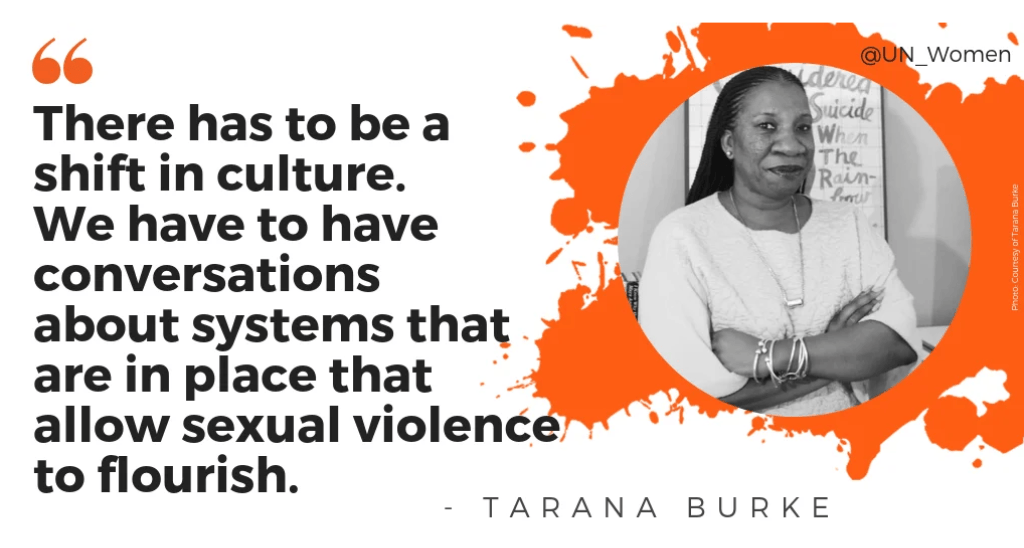
This past week all of this sordid knowledge has been brought up again by the ugliness of the Cornell University story, where a young woman alleged being raped repeatedly by many men over several hours at a fraternity party. The university’s mishandling of its investigation is being mapped daily in the news, and the identities of “The Cornell Seven” are being spread across the public landscape. The whole thing is scandalous and awful in every respect.
I don’t pretend to know the absolute truth of this story, which is right now still buried in conflicting testimonies, perhaps that will become apparent once the sensationalism subsides. But if you ask me do I believe this young woman, that it could have happened just the way she tells it? Sadly, I do.
No part of sexual violence against women is acceptable, nor should it be normalized in any way. There is no place for jokes, sideways glances, or snickering. Besides the physical attack, there is also harm done to the victim’s spirit, which may recover only imperfectly if it ever does.
(When I used the word “normalized” above, I was thinking at that moment about how a rapist, serial sexual predator, and probable pedophile has been elected president of our country. Twice. In a sane world that could not have happened.)
But why listen to my vapid whimperings, when you can listen to someone who doesn’t have to try to imagine how it feels. For those of you who don’t know her, I introduce you to JoJo from Jerz. There is a video of a song at the end of her piece that was very moving, but is so graphically done that it is a hard watch.
******
[I have told the following story here before, but it seems especially appropriate this week]
There was a story that Thich Nhat Hanh told at a retreat Robin and I attended. After the Vietnamese war, he received many reports about refugees fleeing Vietnam by boat. One report was of a young girl—twelve years old—who was raped by a pirate and who then threw herself into the sea, where she drowned. Her father was also reportedly thrown overboard and drowned when he tried to intervene.
What makes the story memorable is what Thích Nhất Hạnh did with it. He said his first reaction was intense anger at the pirate. But during meditation he imagined being born into the pirate’s life: an impoverished fishing family on the Thai coast, without education or opportunities, growing up amid generations of poverty. He came to see that, had he been born under those same circumstances, he himself might have become the pirate.
That realization became the basis for his poem “Please Call Me by My True Names.” In the poem, he identifies himself both with the suffering refugee girl and with the pirate whose heart had never learned compassion.
The point wasn’t to excuse the pirate’s terrible act, but to try to understand the conditions that can produce both victims and perpetrators—and therefore to find a way to prevent such suffering. Until we find that way we will be forever describing episodes.
******
Please Call Me by My True Names
Don’t say that I will depart tomorrow —
even today I am still arriving.
Look deeply: every second I am arriving
to be a bud on a Spring branch,
to be a tiny bird, with still-fragile wings,
learning to sing in my new nest,
to be a caterpillar in the heart of a flower,
to be a jewel hiding itself in a stone.
I still arrive, in order to laugh and to cry,
to fear and to hope.
The rhythm of my heart is the birth and death
of all that is alive.
I am the mayfly metamorphosing
on the surface of the river.
And I am the bird
that swoops down to swallow the mayfly.
I am the frog swimming happily
in the clear water of a pond.
And I am the grass-snake
that silently feeds itself on the frog.
I am the child in Uganda, all skin and bones,
my legs as thin as bamboo sticks.
And I am the arms merchant,
selling deadly weapons to Uganda.
I am the twelve-year-old girl,
refugee on a small boat,
who throws herself into the ocean
after being raped by a sea pirate.
And I am the pirate,
my heart not yet capable
of seeing and loving.
I am a member of the politburo,
with plenty of power in my hands.
And I am the man who has to pay
his “debt of blood” to my people
dying slowly in a forced-labor camp.
My joy is like Spring, so warm
it makes flowers bloom all over the Earth.
My pain is like a river of tears,
so vast it fills the four oceans.
Please call me by my true names,
so I can hear all my cries and my laughter at once,
so I can see that my joy and pain are one.
Please call me by my true names,
so I can wake up,
and so the door of my heart
can be left open,
the door of compassion.
Thich Nhat Hanh
******
******
******

