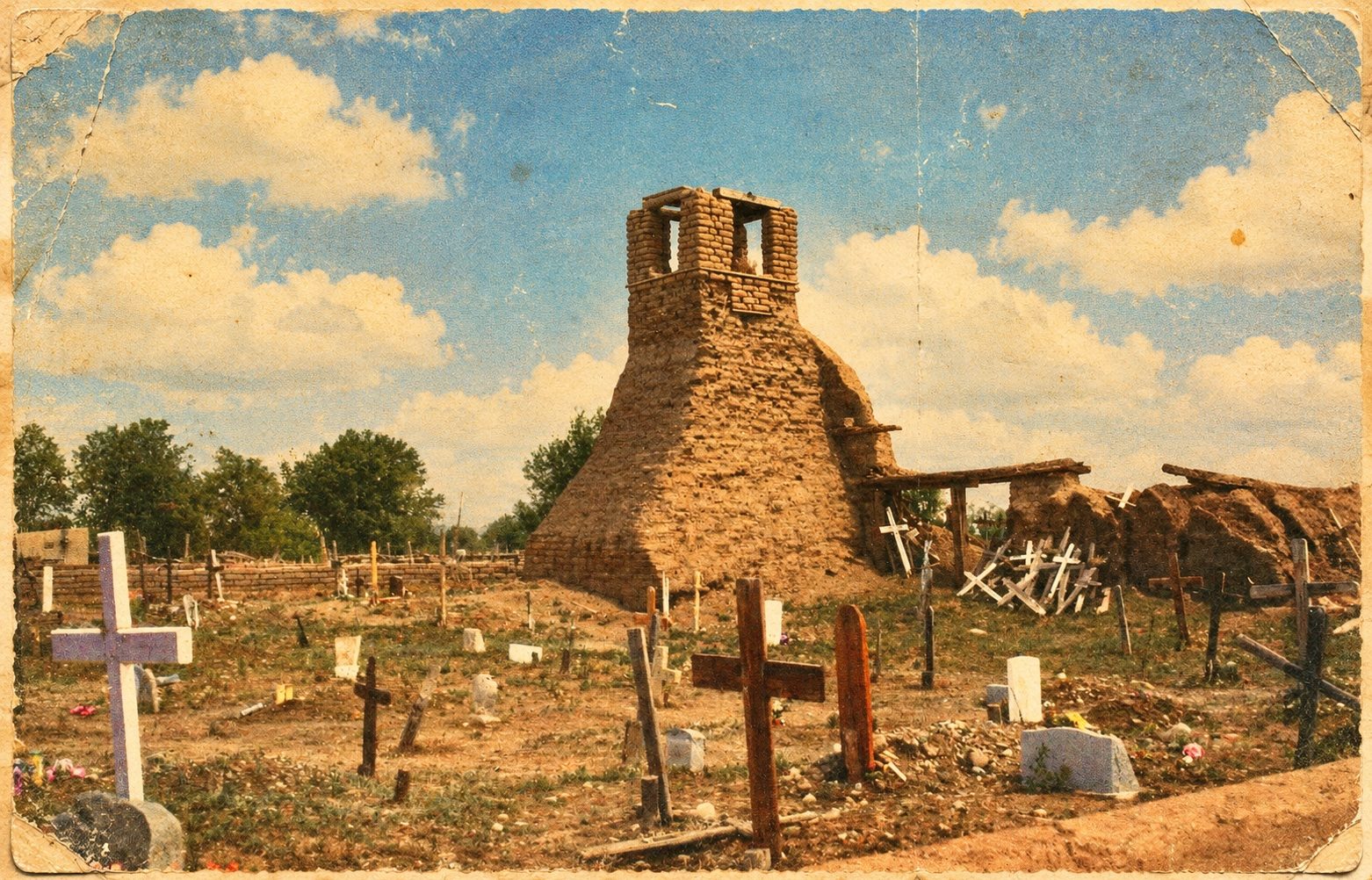
The first time that Robin and I went to Santa Fe together we stayed at an AirBnB, which was called the Inn of the Animal Tracks. A lovely little place. It was notable for a couple of things:
The first was that we shared our room with the resident cat, a large fluffy thing that largely ignored us. The second was that it was walking distance to the Plaza. The third was that each morning and mid-afternoon, a highly talented woman would come in and prepare the most delicious breakfasts. Out back of the BnB was a pretty little patio with a handful of tables to where guests could carry those breakfasts if they chose. If it happened to be a sunny day, that is. Of course, in Santa Fe, where there’s only measurable precipitation on 61 days per year, that means there are 304 days where the patio was safe to use.
On one morning, we shared a patio table with a young woman from Japan who was in the United States for a medical conference. In Japan, she worked along with an oncologist, and her stories about how oncology was practiced in that country were interesting. It was not unusual for them not to inform their patients that they had cancer, but to give a less ominous name for the problems they were experiencing. Keeping the patients in the dark was thought of as a virtuous thing rather than unethical.
At the time, This struck me as odd because this was the ’90s in the United States, when medicine was taking a steady stream of hits on how U.S. medical professionals needed to be more transparent when talking with their patients. To keep a diagnosis from someone for sometimes months or years would have been regarded as completely unacceptable. Unethical.
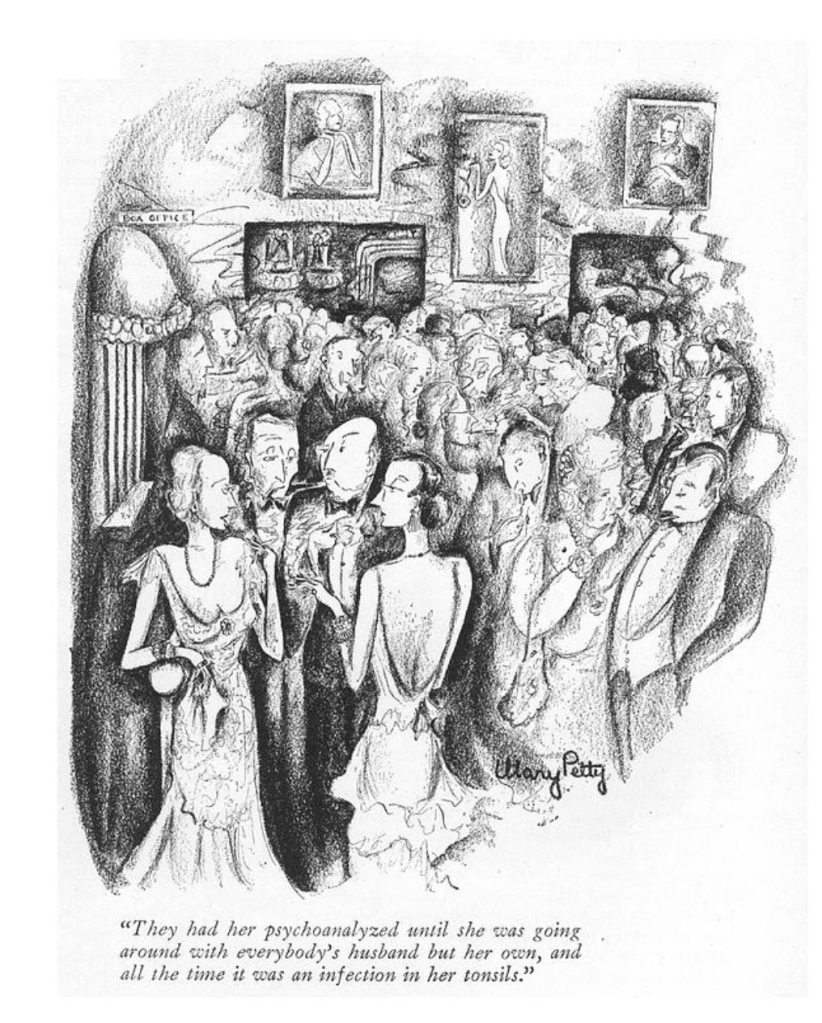
And then I thought back on my own professional life. Were there ever moments when I was not completely truthful with my patients or their parents? And times perhaps where I might even have deliberately concealed things from them? My answer to myself was “Yes.”
Here’s one such time. When I was working in the Upper Peninsula of Michigan, it was in a small town a very long way from medical centers. I was on call every night as the only pediatrician in the area. So when an opportunity came for me to take a few days’ vacation, I did just that. When I returned, and on my very first day back in the office, a young couple brought their child in for an illness visit. Their child was 10 months old, had a history of fever for four days, and had stopped eating, completely. My examination revealed that she was rigid, stuporous, and in critical condition. A lumbar puncture was done and the diagnosis of bacterial meningitis was confirmed. I started IV fluids and antibiotics, but she was already in extremis when I first saw her, and it was only a few hours before she died.

Her parents were devastated. They had done the best they knew how, offering their baby a series of home remedies, but had been completely blind to what was happening in front of them. When I told them the child was desperately ill and needed hospitalization, the scales suddenly fell from their eyes. They were crushed, almost mute, from that moment on.
If at that point I were to tell them that they had delayed seeking medical care for far too long, and that if they had brought her in on that first day the child might have survived intact, I would have been telling the truth. But I did not tell them that. I lied straight out. I told them that this was one of the most serious illnesses of childhood (true), that mortality rates in this disease were always very high (true), and that they had done all that any parent could have done (lie).
The couple was medically unsophisticated and accepted what explanations I offered without comment. Whether later on, when the despair of the day was long past they learned otherwise I do not know. My hope was that they did not.
******
For weeks, I’ve been bombarding you with anti-fascist cartoons. Today I’m gonna give you a brief respite from that.
If you ever lived with a cat, you know the truth of this one.

******
Each year, our local recreation center completely closes down for just a little over a week. They take these eight or nine days to clean the entire space and to make small repairs wherever necessary. I was surprised to find that I missed my visits there. I missed being able to complain about the discomforts involved in spending a half an hour doing anything aerobic. I missed the whiplash sensation of feeling physically superior to one or two people in that entire building, but inferior to all of the others, who were smoking me at every one of the machines I used during my sessions.
I missed the fact that the treadmills routinely mock me. There are perhaps 15 of these instruments scattered about the space, and yesterday I got on one that refused to hold whatever incline number I would set. For instance, I have decided that the number 10 is a nice goal, and using such an incline means that I don’t have to hang on for dear life. What the treadmill decided to do that day was to wait until I’d gotten comfortable and into a sort of groove, and then return the treadmill incline to zero. Time after time, it would do the same irritating thing. Unfortunately, I couldn’t just curse at it and leave to use another apparatus, because at the time all of the other machines were occupied.
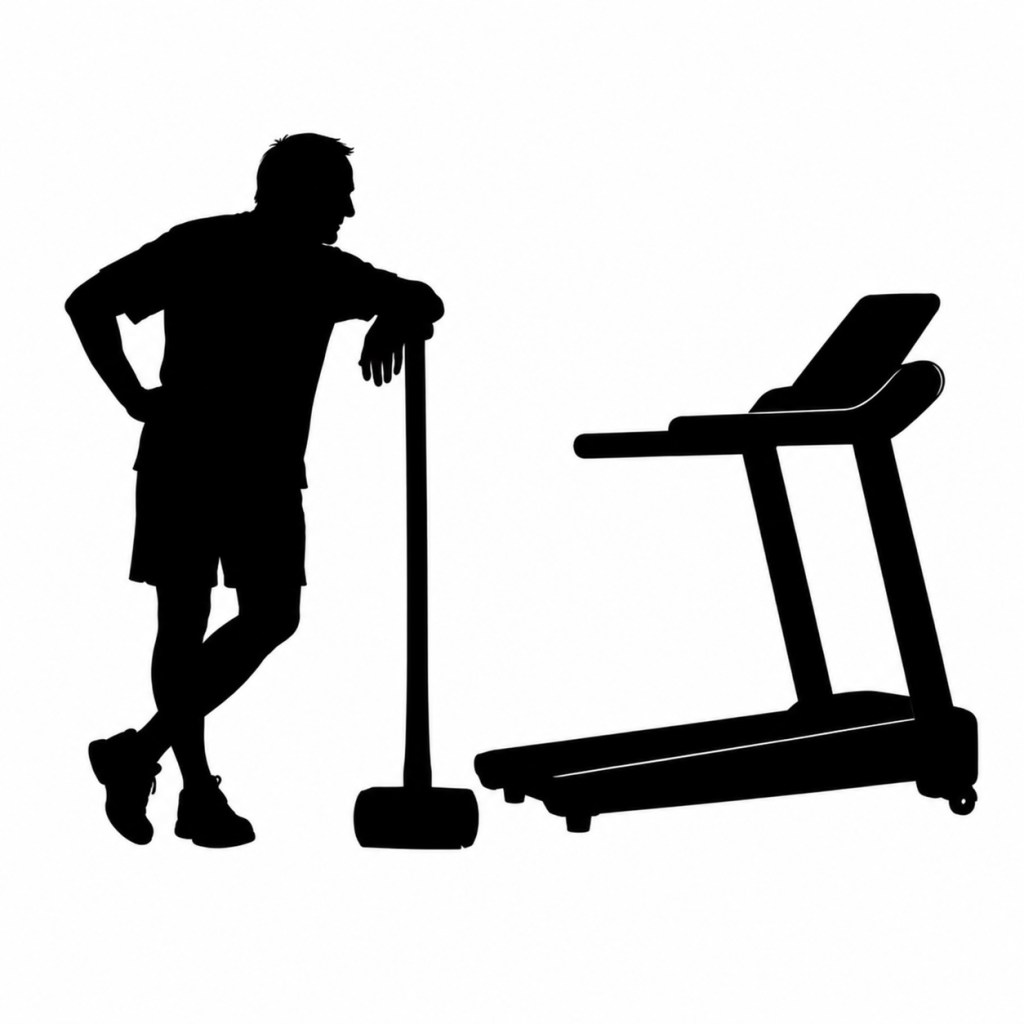
There’s an interesting dynamic at work when this happens to me. My thoughts fill with dreams of swinging a 16-pound sledgehammer as I gave that machine a lesson that it would long remember.
******
If you search YouTube for Stevie Ray Vaughn you will find enough videos to last you an evening. But for me this one is special. He shows up yawning, walking aimlessly around the stage, banters with the crew, fools around and plays a couple of notes from The Star Spangled Banner, and then at 1:30 it is amazing! A commenter on the video says that he goes from zero to 100 in an instant, and it’s true.
I’ve watched this clip fifty times at least and it always blows me away.
******
It is fifty-one days until the midterm elections. There are signs that change may come, but so many things are in the wind that even the most seasoned political sages are cautious.
One of the people who I have heard is coming to our aid is this stalwart fellow. He and wonder dog Yukon King are firmly on the side of what is right and good, and brother, do we need that. Look at those clear and honest eyes … that outreached hand … that drowning American …
On King … On, You Huskies!
(Kids – Sergeant Preston is shown standing in the bow of a canoe, while traversing a rapids.
Please do not try this at home.)

**
******