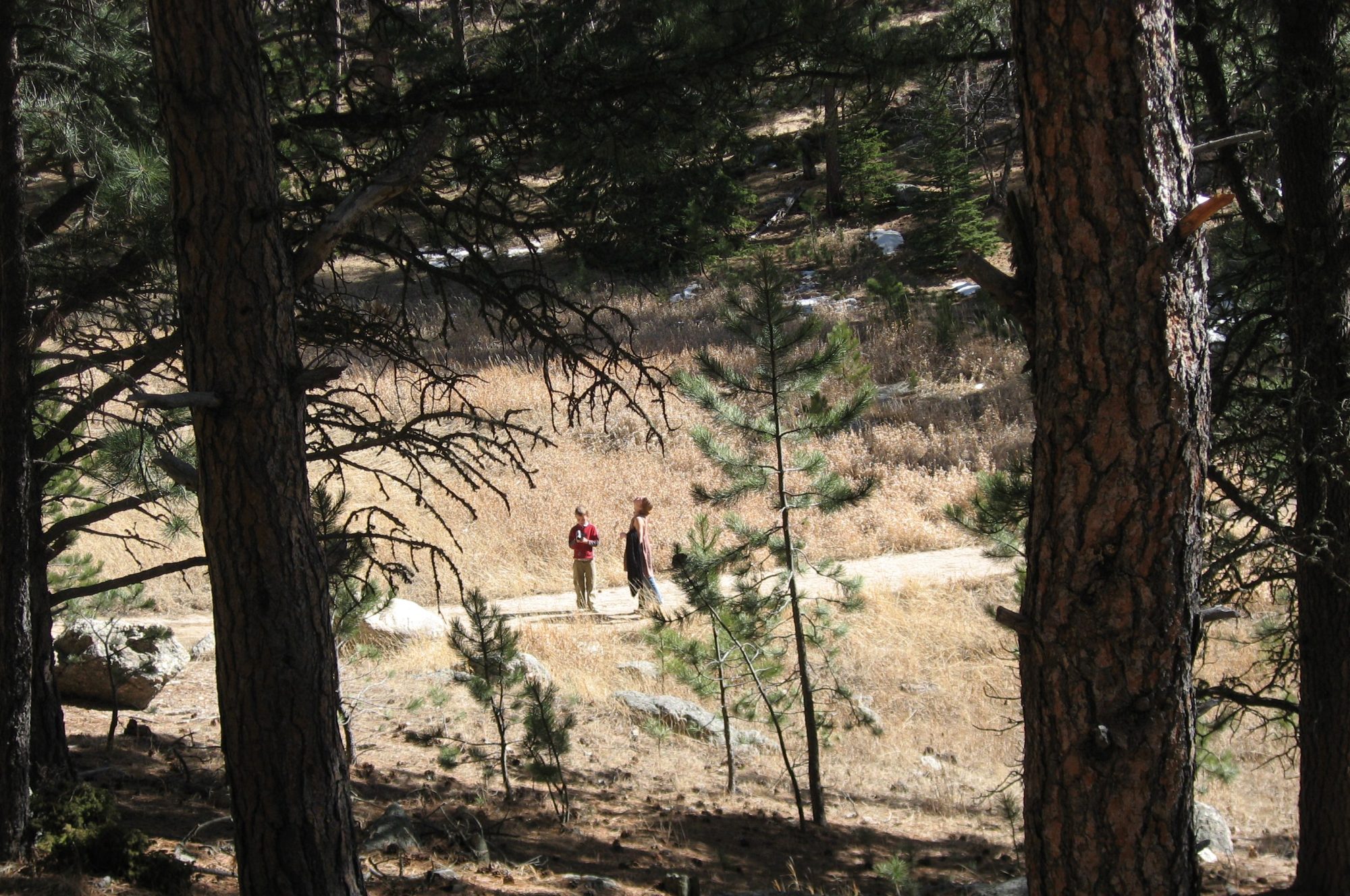
Let me apprise you of a bit of cat behavior that I have found interesting. When our younger cat, Willow, decides to go out into the back yard through the pet door, she pauses with her nose at exactly the interface between in and out, sniffing, looking slowly from left to right and back again, studying the landscape with eyes and nose. This process might take a full minute and when it is deemed safe to do so, she exits. There is never a variation in this routine.
Curiosity may have killed a cat here and there, but it is wariness that has kept ours alive. Poco has been an indoor/outdoor cat for eighteen years, and you don’t hit that mark without having a care now and then about where you go and what you do.
******
******
I like Neil de Grasse Tyson, even though he can (like myself) be a little full of himself at times, but here is a fascinating short tale about who he thinks is the greatest scientific mind of all time. Love it.
******
******
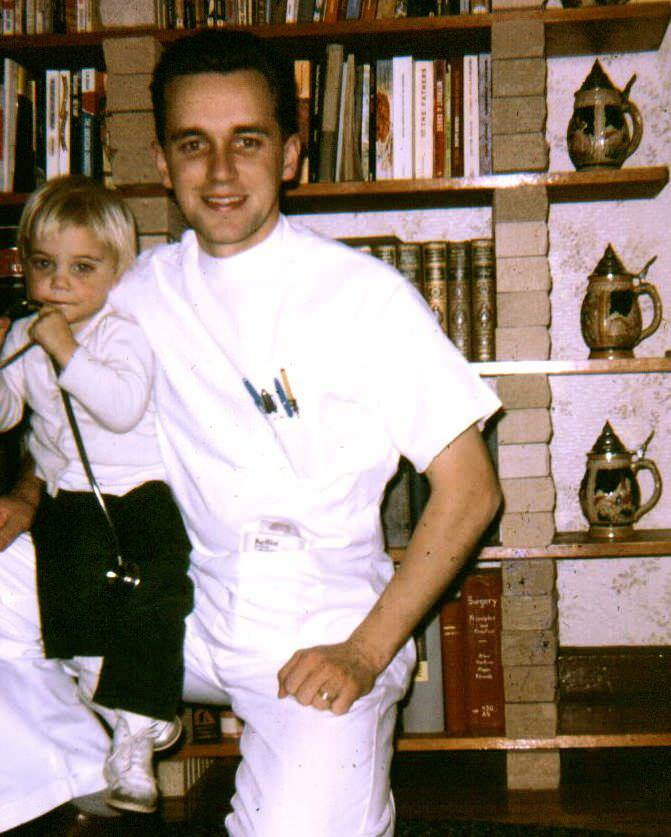
I have spent enough years on the planet that when I think back on my early career in pediatrics, even I am impressed at what has happened to the discipline during that time. Compared to the humming and beeping and LCDs flashing on the machines in an NICU today, those first years were like working in a cave without light or power, and poor access to water as well.
An example. When I was in my junior year in medical school, I watched the network news and followed a story along with the rest of the country. On August 7, 1963, Patrick Bouvier Kennedy was born prematurely. He was actually a good-sized infant at 4 pounds 10 ounces, but developed respiratory distress syndrome within a very short time. Today his care would have been almost routine, with survival all but assured.

But Patrick died at age 39 hours of his lung disease, although he had been given the best neonatal care in the country. Even being the son of the sitting President of the United States couldn’t save him, when pediatrics had little more to offer than to run oxygen into the incubator and hope for the best. There were no infusion pumps to control IV rates and maintain those precious lines. There were no ventilators of a size that could be used on small infants. There was no surfactant to give, a substance that keeps the alveoli of infant lungs open so that oxygen can pass into the baby’s bloodstream.
By 1967, when I was a second-year resident in pediatrics, I spent three months studying under the best neonatologist in Minnesota. How do I know this? Because Dr. Martha Strickland was the only neonatologist in Minnesota. And there weren’t any in either of the Dakotas, Wisconsin, or Iowa. The early versions of the machines had begun to appear that would eventually change the dismal neonatal picture, but the first ones were clumsy and unreliable. By 1969 we had some decent ventilators and early infusion pumps, but it wasn’t until 1989 that surfactant received FDA approval.
One more example. In 1967 the five-year survival rate for acute lymphoblastic leukemia was 0%. Every child who came to us with that disease died, usually within a few months. Today, survival is 90%.
Like I said. I started working in pediatrics in the clan of the cave bear era.
******
Oh Happy Day! Our little jewel of a national park will re-open tomorrow, August 18! The campgrounds will remain closed for the rest of the year due to damage to rest rooms, picnic tables, etc., but we will have access to most everything else. I am so curious I can taste it. It’s been just over 40 days since this drama began with those lightning strikes, and we would have usually been up there several times during this month plus.
So, Rejoice And Be Glad is the message for today! Our sins have been forgiven and the stone has been rolled away and tomorrow we will drive the length of the park with jubilation in our hearts!
******
******
 Little Home In The Valley