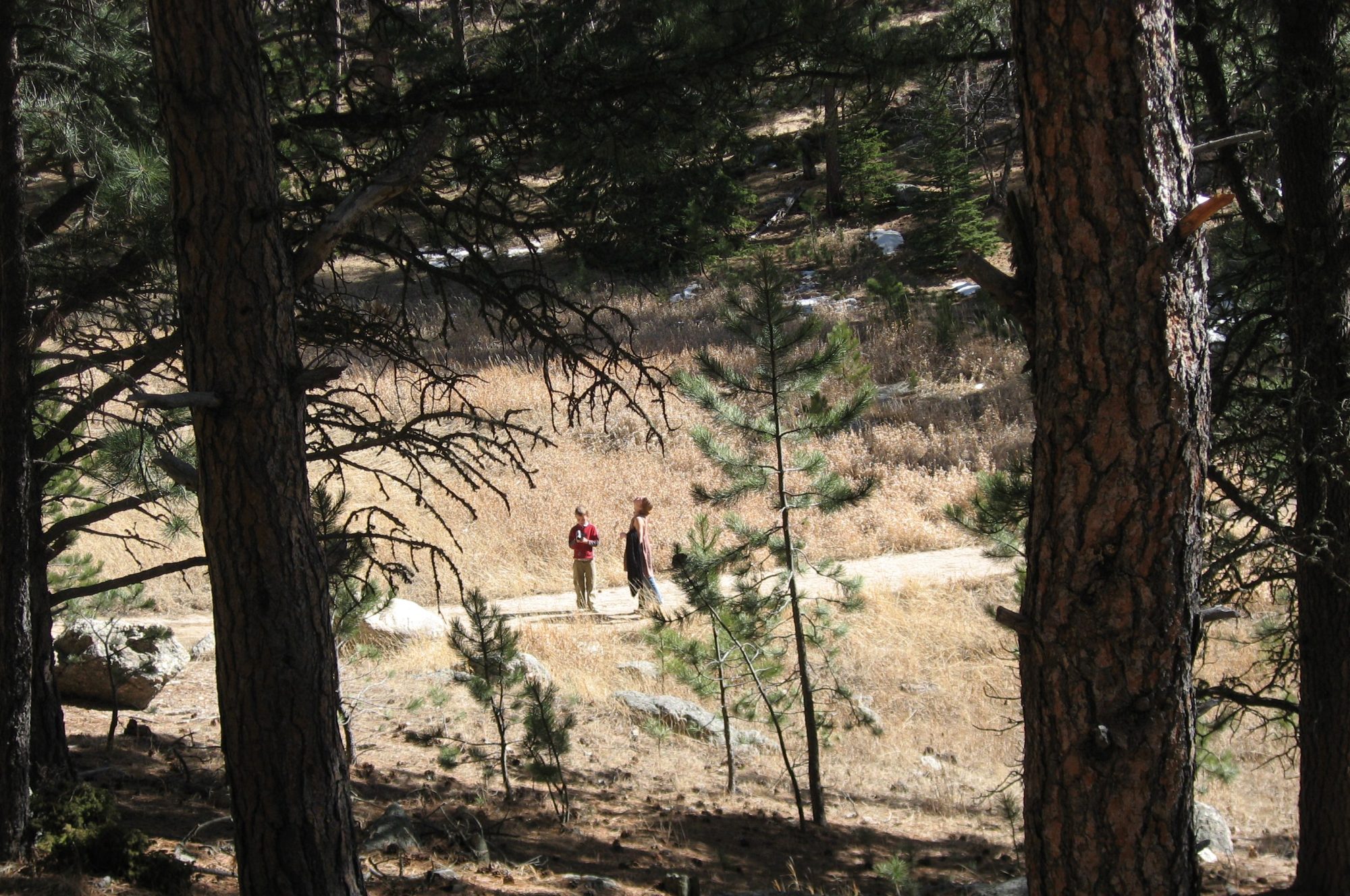
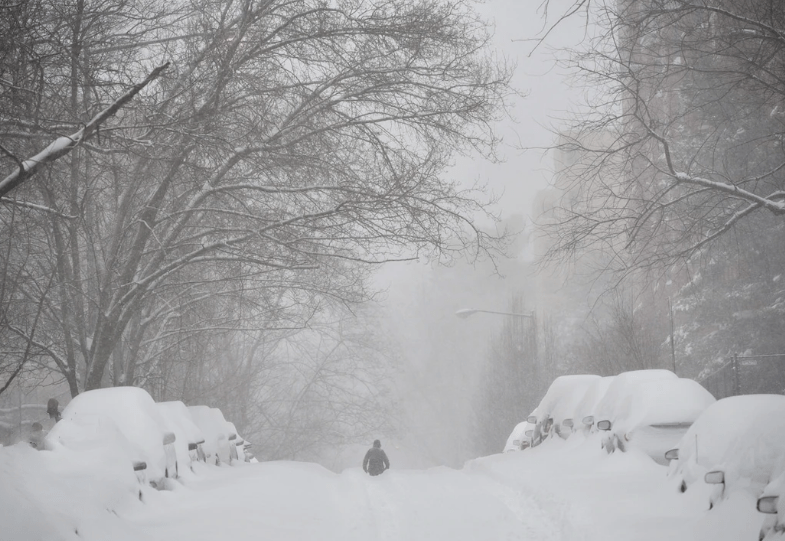
Sunday afternoon Robin and I drove down the Million Dollar Highway (US 550) to a point a few miles past Ouray on a scouting expedition. We were checking snow conditions, since in the valley the small amount of snow that had fallen in the past couple of weeks still lingered only in small patches where the sun couldn’t get at it. Otherwise – bare brown ground is the order of the day. What we found? No White Christmas this year, folks.
Higher up, the ski area at Telluride has only a few runs open, mostly blue and green ones. Thrill seekers will just have to wait a little longer to get their kicks. Behind the scenes at Telluride there are labor disputes to worry about as well. So not such good news in the Land of Shiny People for the holidays.
However, the restaurants, liquor stores, and shops that sell expensive things you could easily do without are all open and humming. It turns out that a person can aprés-ski with verve and panache even when they can’t actually ski. Good to know.
******
******
Our holiday plans are completely local this year. None of our children will be within easy reach, so we’ve invited several friends for dinner on Christmas Day. This group is composed of the sort of people who don’t need any prodding to begin a conversation that will start the moment they come through the door and end only when they have pulled away at the end of it all. Politically we are of similar mind, so there will be no need for wit sharpening. We can toss clichés at one another without fear of contradiction.
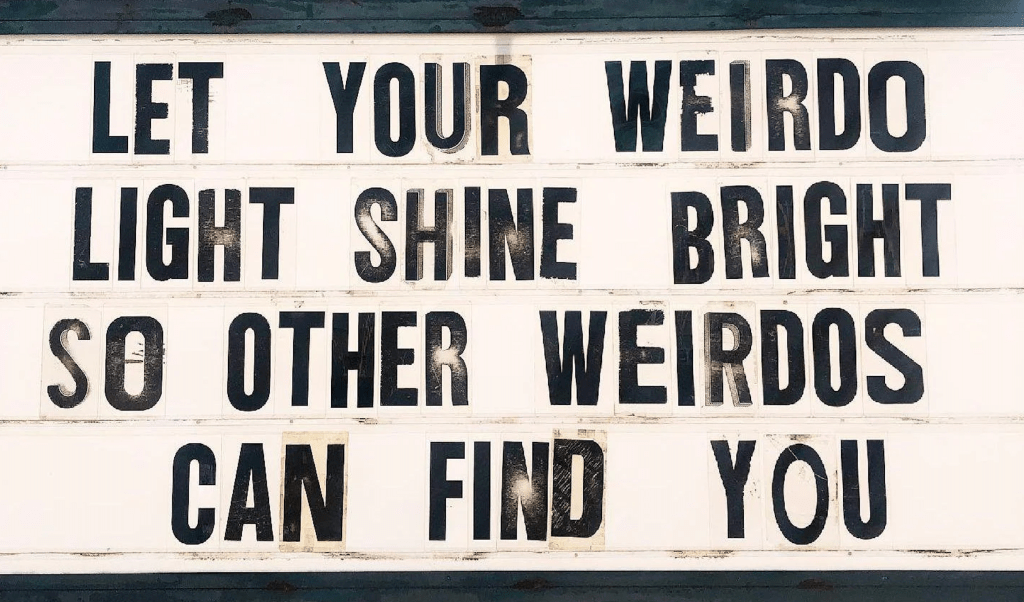
While that might sound boring and dreadful, one has to remember that we are living in an area where two-thirds of the voters picked a felon/rapist for President in November of 2024. So feeling slightly more comfortable in flying our freak flags is a treat. A blessed respite.
******
Yesterday the temperature here in Paradise hit 68 degrees. Two days before Christmas Eve. In the mountains of Colorado. At times like these I feel sorry for those old-timers whose store of weather knowledge has been rendered nearly useless by climate change. They can’t predict things any more. The game is so changed that all they can do is ruefully shake their heads.
Of course I am also one of the ancients, but I am not so affected as some. As I went through life for the most part I was oblivious to what was going on around me. If I walked out the door and it was raining I might notice that I was wet but didn’t think more about it.

I had other things to think about that I believed more important. Things involving my work and family. I couldn’t do anything about the weather so I ignored it. In this way I was almost the polar opposite of a farmer, whose livelihood was so dependent on sun and rain and temperatures.
I took care of children indoors, and bother what was going on outside. It didn’t touch me unless the power went out in a thunderstorm and we had to somehow keep our machines operating on emergency systems.
So ask me anything you want about the weather … past, present, or future. I will smile and say “I have no idea.” Perhaps this will bring you some comfort if you realize that you are not the only one in that position.
******
******
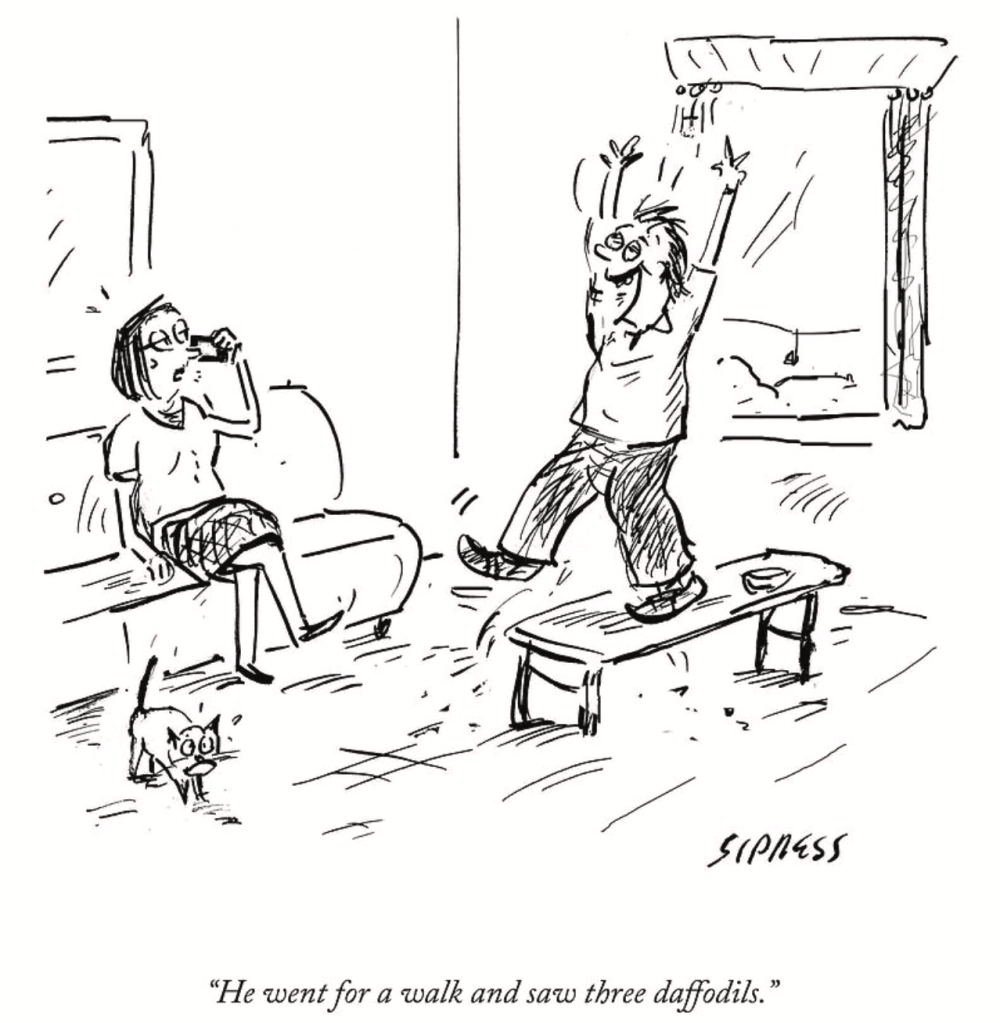
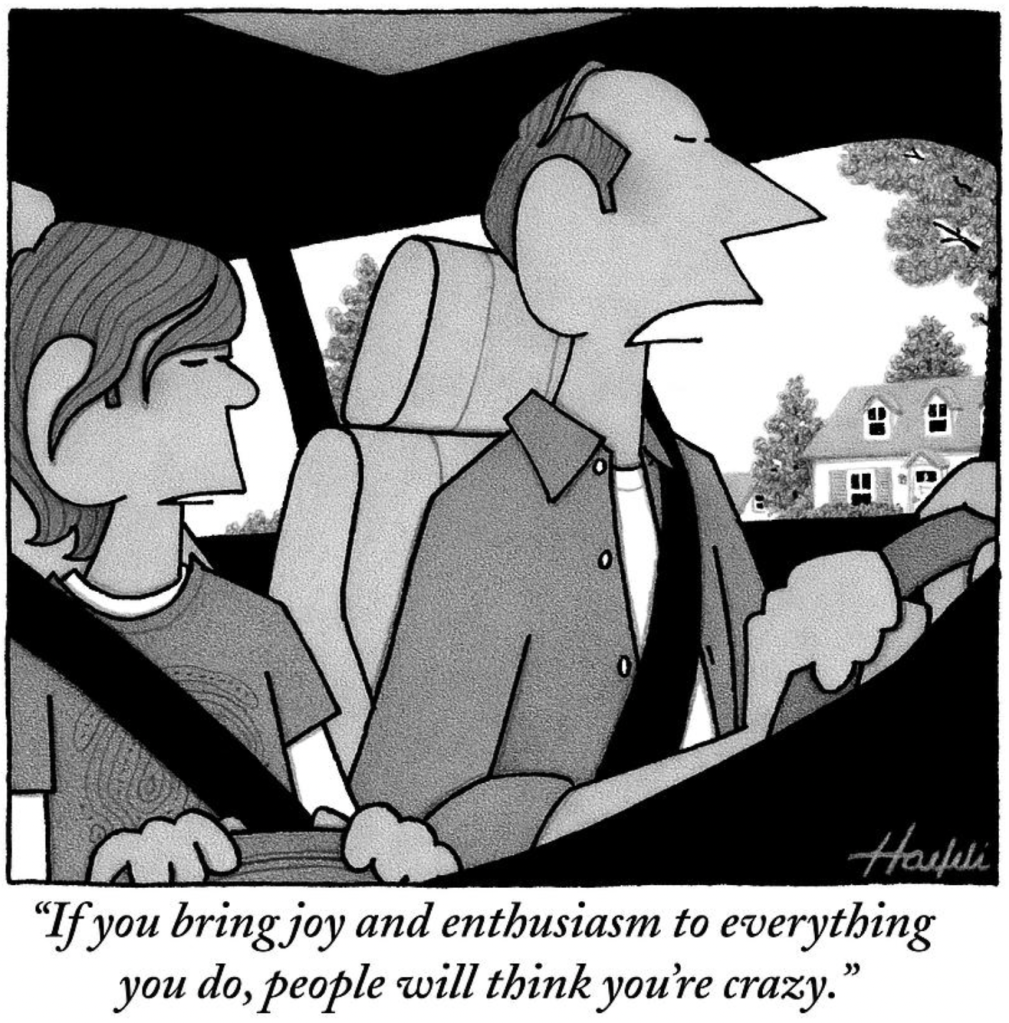
God bless the political cartoonists. Actually, God bless cartoonist of any stripe. The best of them have the ability to boil a truth down from a chapter to a page to just the fewest words possible and then place it in a frame and offer it up to us. To me it’s much like when you are cooking and you make a reduction. Heating a liquid until just the right amount of water is evaporated and the contents couldn’t be distilled any further. They become the purest essence of what is contained in the pan.
That’s what the best cartoonists do. One thing I can say about the Cluck Gang, they come up with more than enough fodder for these entrepreneurs to chew on. Every single rock that one turns over has a snake under it, fanged and venomous and ready to go.
One interesting thing about political cartooning. To really get the full benefit from the better ones, the reader has to be reasonably well-informed. Look at this one, for instance.

First of all, the mask and bindings are right out of the movie Silence of the Lambs. The red tie and blonde hairdo identify the person being restrained as Cluck.
The elephant is the symbol of the GOP, and its support of at least one possible pedophile has become obvious from the ongoing Epstein saga.
I know that in the US of A we are supposed to be presumed innocent until found guilty in a court of law. But get serious, folks. If there were nothing rotten about the Cluckster-in-chief in those files wouldn’t they have been released months ago, just to be done with it and regain the narrative? Can you think of any other reason for this drawn-out and clumsy cover-up? Really … I’m asking.
******




******
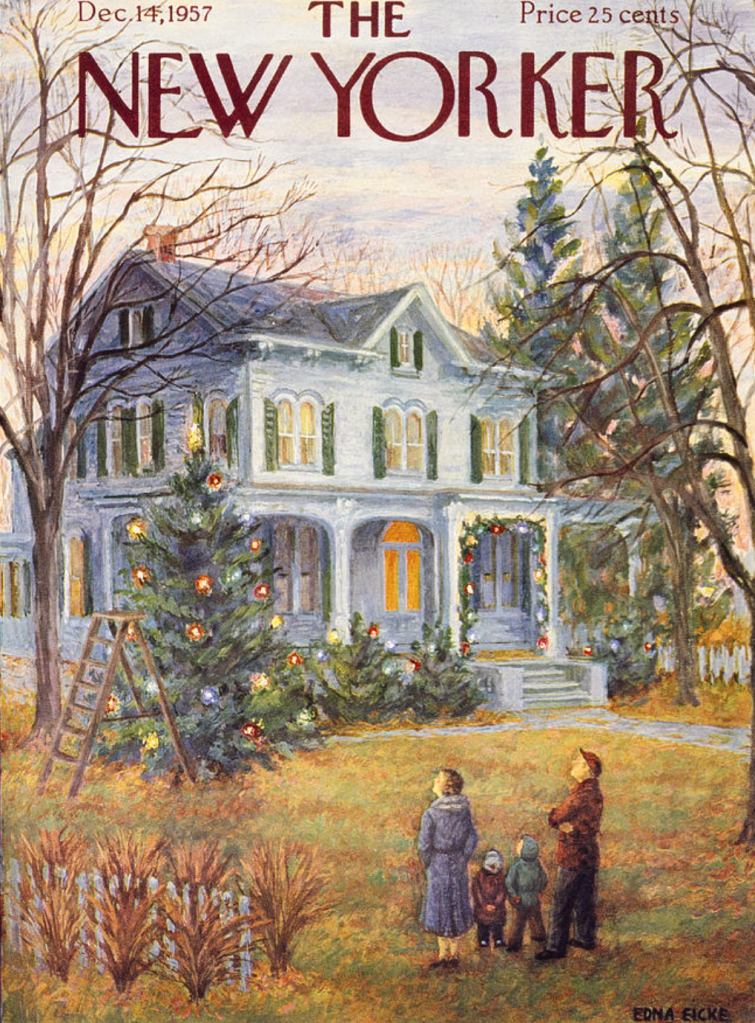
Tonight is Christmas Eve. I love the story. When you’ve heard it as many times as I have, it gets Crispr-d into your DNA, and it’s hard to stand back and really look at it objectively. To paraphrase Jon Kabat-Zinn , “Wherever you go, there you are, and thy DNA tags along.”
So I enjoy the carols, watch all the Christmas specials on television, send out my cards, purchase my share of gifts … nothing has changed for me for generations now in how I observe the holiday, and I suspect that it never will. For one thing, the tale keeps on being repeated in daily life, with different characters.
Today the United States has its own version of Herod sending out armies to find the Josés and the Marias and the babies and do them harm. We have people who are without homes and must take shelter where they can. We have women delivering their infants in the equivalent of stables where infant mortality is so much higher than in better regulated and managed facilities.
So you can see that the legend is always fresh for me, even if the particulars are altered.
******
Here’s a beauty to end the post on. I googled its origins and found that the Scots and the Irish have both claimed the tune as their own. We’ll let them carry on the fight while we enjoy its lovely melancholy, which is universal.
“The Parting Glass” is a Scottish traditional song, often sung at the end of a gathering of friends. It has also long been popular in Ireland, and modern versions reflect strong Irish and North American influences. It was the most popular parting song sung in Scotland before Robert Burns wrote “Auld Lang Syne.”
******
















 Little Home In The Valley