Naming Snow

[As I post this it is one o’clock on a Sunday morning and my refrigerator just sent me a message that it is quitting as of
right this minute, and immediately after I read the manual in order to interpret the error code on the appliance’s door,
our older cat walked over to where I was sitting and threw a couple of ounces of his last meal onto the rug in my office. 
Things come in threes … right?]

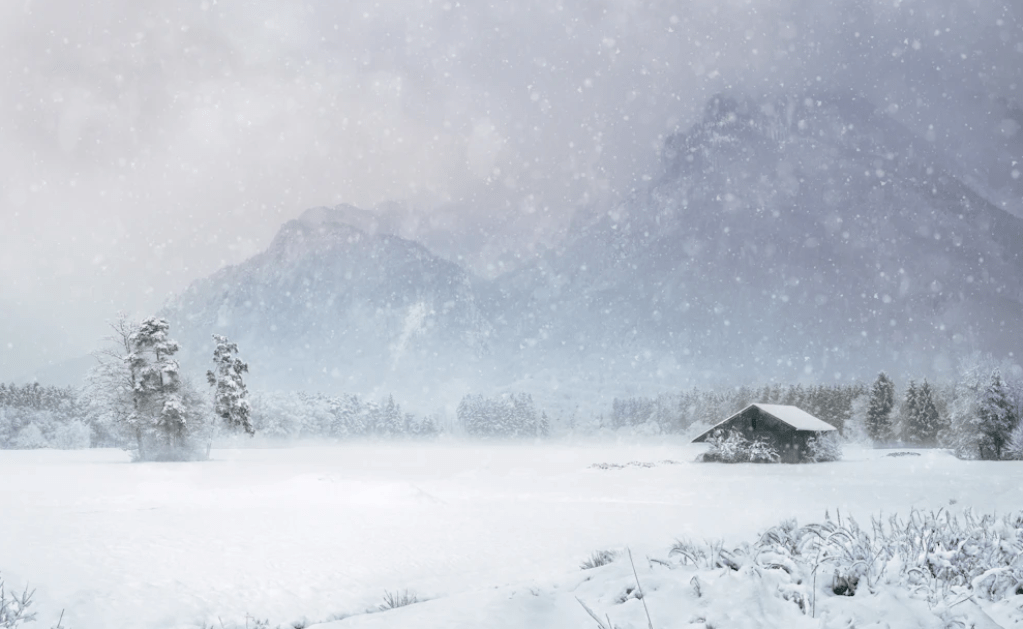
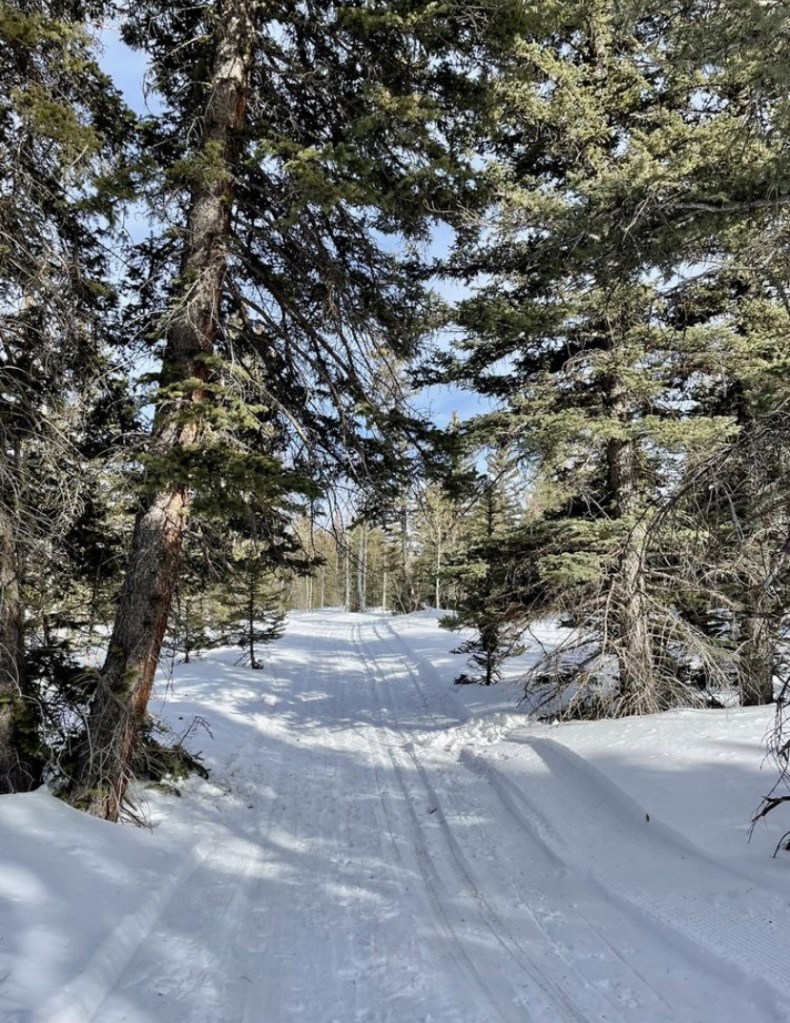
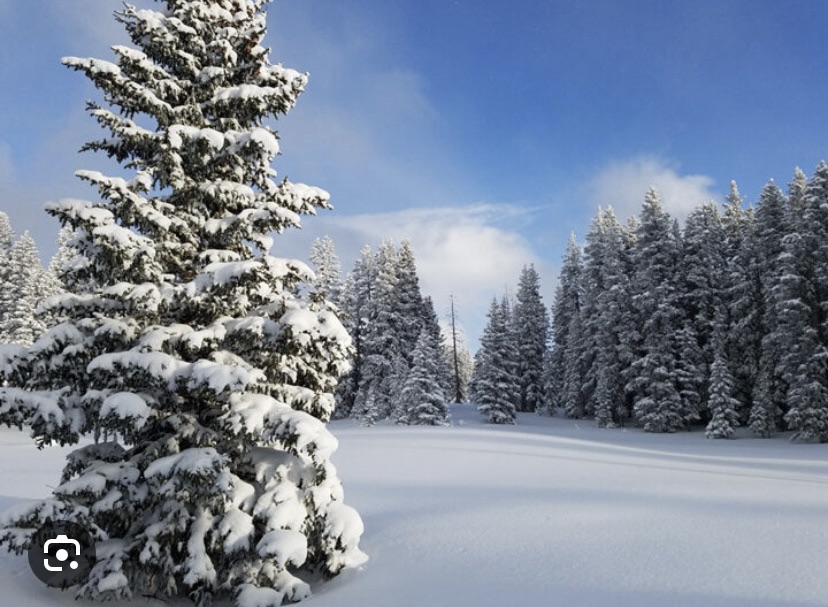
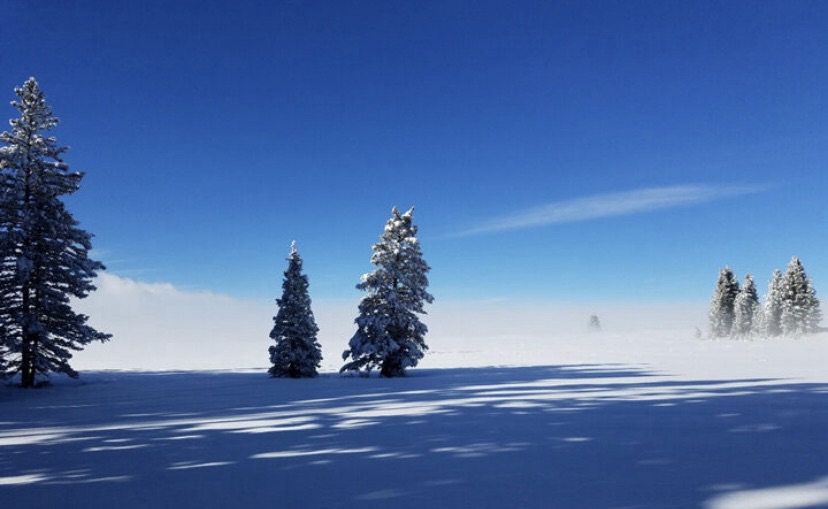
Finally we have some snow that will last a while. Just a couple of inches fell but the weather has turned colder. Single digits recently. Nothing remarkable. Winter.

Not enough on the ground yet for XC skiing here in the valley. There are more reliable conditions up at Black Canyon National Park and on the Grand Mesa. Because of knee surgeries we’ve skipped skiing for two winters in a row now, so we’re way rustier than usual.

The snow conditions on the Grand Mesa are uniformly as beautiful as anywhere I’ve ever been. You ski in mixed evergreen/deciduous forests in areas where the nearest snowmobiles are miles away. A local club maintains excellent groomed trails, and they accept free will donations from non-members.

There are hundreds of lakes on the Grand Mesa, but Robin and I generally steer clear of them unless we’ve been assured by a panel of at least three people that there is adequate ice thickness. In 2019 there were two drownings in lakes on the Mesa when incautious people went through the ice.

One of the nicest things about winter on the Grand Mesa is that it keeps the mosquitoes down. There are still a few around, but only the biggest and the strongest can handle the cold weather. These hardy bloodsuckers are about the size of robins, and make a sound like a Stuka dive bomber as they come at you. Fortunately they are slow and awkward fliers that can fairly easily be stabbed with one’s ski poles.

50 Words for Snow, by Kate Bush

******
******

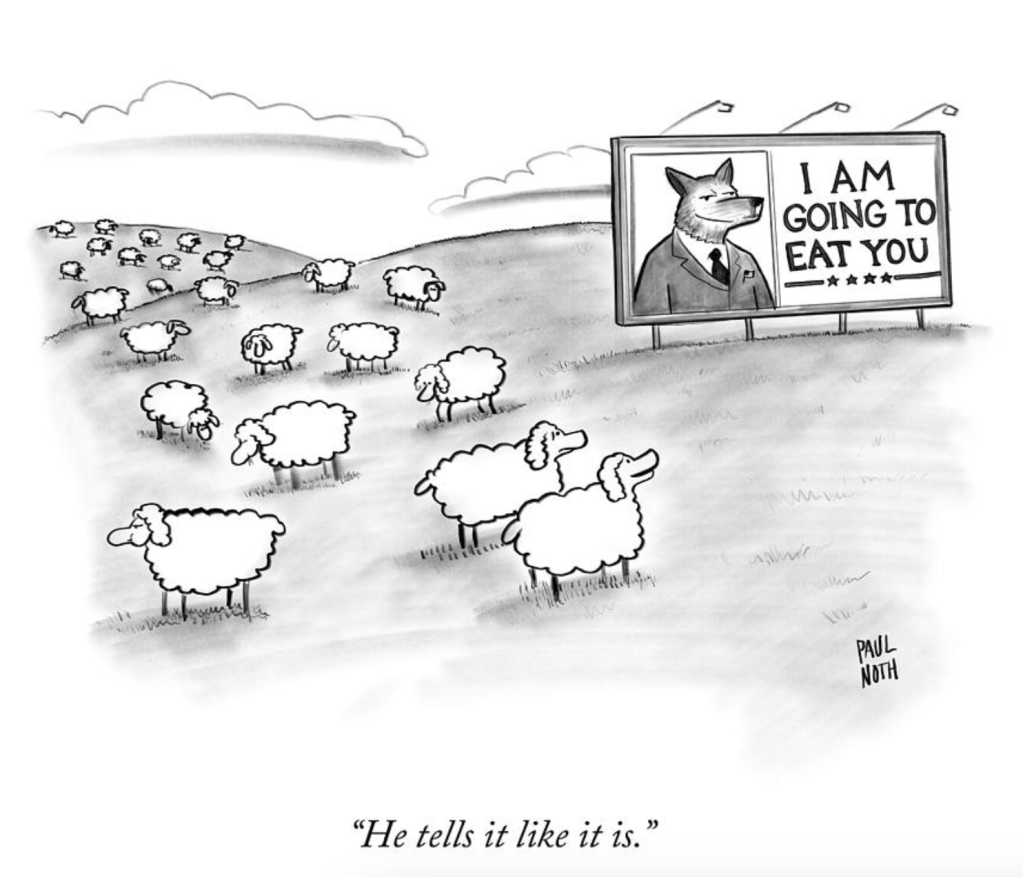
A pathetic thing to watch is the belief of the Cluckists that they are following in the train of the Glorious Orange One, and when he comes to power they and theirs will be well cared for as The Second Coming starts to roll.

The thing is that there is no train, but only a heap of bodies, including theirs, that he is treading on to get what he wants.

If they would only take a step back and look at the damaged followers he has already left behind, licking wounds and mourning damaged careers … but they don’t, or won’t, do this. It couldn’t happen to them, they think, as they mortgage their integrity, common sense, and occasionally the family farm.

******
I have been told that I sorely neglect whole genres of music in what I post here on the blog. I freely admit it. Actually there are musicians and types of music that I don’t like at all, some that I dip into and take what I admire, and some that I fully enjoy. The latter variety is what I usually post.

This day I am going to share a piece of classical music by a guy named Vivaldi. It’s the violin concerto Winter, from his larger work The Four Seasons. To introduce it I have invited a guest post-er named Chad Griffin-Porter-Theroux to describe the chosen piece. Take it away, amigo.

Thanks, Jon, this is an easy one to talk about because so many people know these works of Vivaldi that they are almost classical pop.His “The Four Seasons” is a set of violin concertos, each representing a season. It is renowned for its vivid musical depictions of nature and is a baroque masterpiece.

“Winter” is captivating with its brisk, icy atmosphere. The violin’s depiction of cold winds and the warmth of the fireplace creates a vivid musical experience.Vivaldi skillfully captures the essence of darkness in “Winter.” The haunting melodies and intense passages evoke a sense of cold and solitude.

The opening movement resembles a shivering person, stamping his feet in rhythm to stay warm. The middle movement portrays the pleasure of getting warm inside through a crackling fire. The final movement offers people outdoors walking down icy paths, while people inside houses feeling the relentless chill finding its way inside. 

ChadGPT 1/10/2024

***

Winter: Allegro non molto; Janine Jansen, soloist
Winter: Largo; Janine Jansen, soloist
Winter: Allegro; Janine Jansen, soloist

(BTW – if I remember to do it, I plan to play the other seasons when their time comes around.)

******

******

Last night Robin and I watched the movie Maestro on Netflix. It is a reminder of how good films can be, and of how shallow most of what we view day to day really is. It is the story of a portion of the life of composer/conductor Leonard Bernstein, and it is stunning and a beautiful thing to watch.

Bradley Cooper starred, directed, produced, and co-wrote the screenplay for the movie. This guy is moving up to be one of the more creative ones in this industry. A couple of years back he remade the movie A Star Is Born, and darned if that wasn’t awfully good as well.

There was some mild controversy a few months ago because his makeup preparation for his scenes included a bigger nose. Its purpose – to make him look more like the composer, and it did its job. The problem was that quite a bit of antisemitic cartooning over the years Jews has portrayed them as people with exaggeratedly big noses. 

Here is Cooper on the left, and Bernstein on the right. Not much of a deal, I think. Bernstein’s own kids weren’t impressed.

There’s a particularly good review in The Saturday Evening Post that you could check out if you’re interested. As the quote below indicates, there is one scene that is like nothing I’ve seen before. Outstanding.

As memorable as Maestro is as a whole, the sequence that will follow you for weeks is one that comes near the end of the film, as Lenny conducts Mahler’s Resurrection at Ely Cathedral. It’s a legendary moment in 20th century music history: You’ll find the entire original concert on YouTube, and it is clear Cooper studied every frame of Bernstein’s performance: that great head of hair flying, the rivulets of sweat on his brow, the conductor nearly bursting from his tuxedo, the Incredible Hulk of classical music.

Bill Newcott, Saturday Evening Post, December 21,2023.

Actually, if every movie were as engrossing and took as much energy to watch as this one did, I would soon be exhausted, depleted. So it’s good, I guess, that there are so many lesser films out there to act as diversions.

****** 

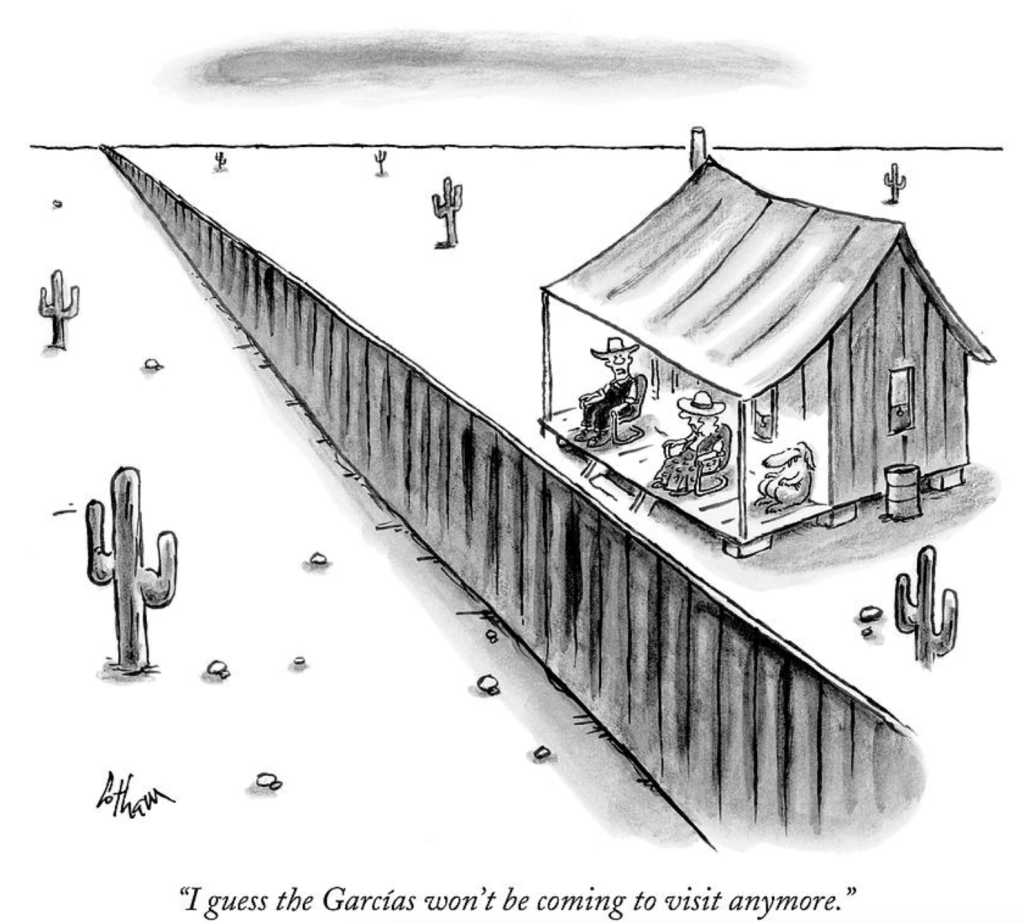
Borderlines

This morning, like a burst of lightning, a plan came to me for dealing with the ongoing mess at our southern border. I can’t imagine why it hasn’t occurred to anybody before. We need to take a cue from Vladimir Putin (an unsavory source of inspiration, I’ll give you that) and annex Mexico.

There is ample precedent in that we already took 55% of that country back in 1854, and then just for good measure we invaded them one more time in 1914. So after the annexation – presto! Our present way-too-long border becomes history, and the much more manageable one with Belize and Guatemala on the other end appears.

Mexico could become our fifty-first state, instantly reducing Texas to an also-ran in the size department, and we all know that Texas needs some serious shaking up. Oh sure, there would be commentaries in the world’s media, but the attention span of humans has become so short that within a week the globe’s attention would turn somewhere else.  In fact, if we could time the annexation to the opening ceremonies of the World Soccer Cup Finals it might not be noticed at all.

Just think how happy we would make the FBI. They’ve not had a solid enemy they could get their teeth into since the Mafia became a television series. We’d be giving them the Christmas present that keeps on giving with the newly-opened opportunity to work on taking down the cartels. 

All those presently seamy and troubled towns like Tijuana, Matamoros, and Ciudad Juarez would have the chance now to become gentrified. It shouldn’t take too long to push out the present impoverished residents and replace them with a more affluent population looking for sunny places for their third home.

I think I’ll collect my thoughts and put them in a letter to our senators and representatives in Congress. I probably won’t send a copy to Rep. Boebert who I understand still can’t find Mexico on a map.

And then I’m signing up for Spanish classes.

Across the Borderline, by Ry Cooder

******

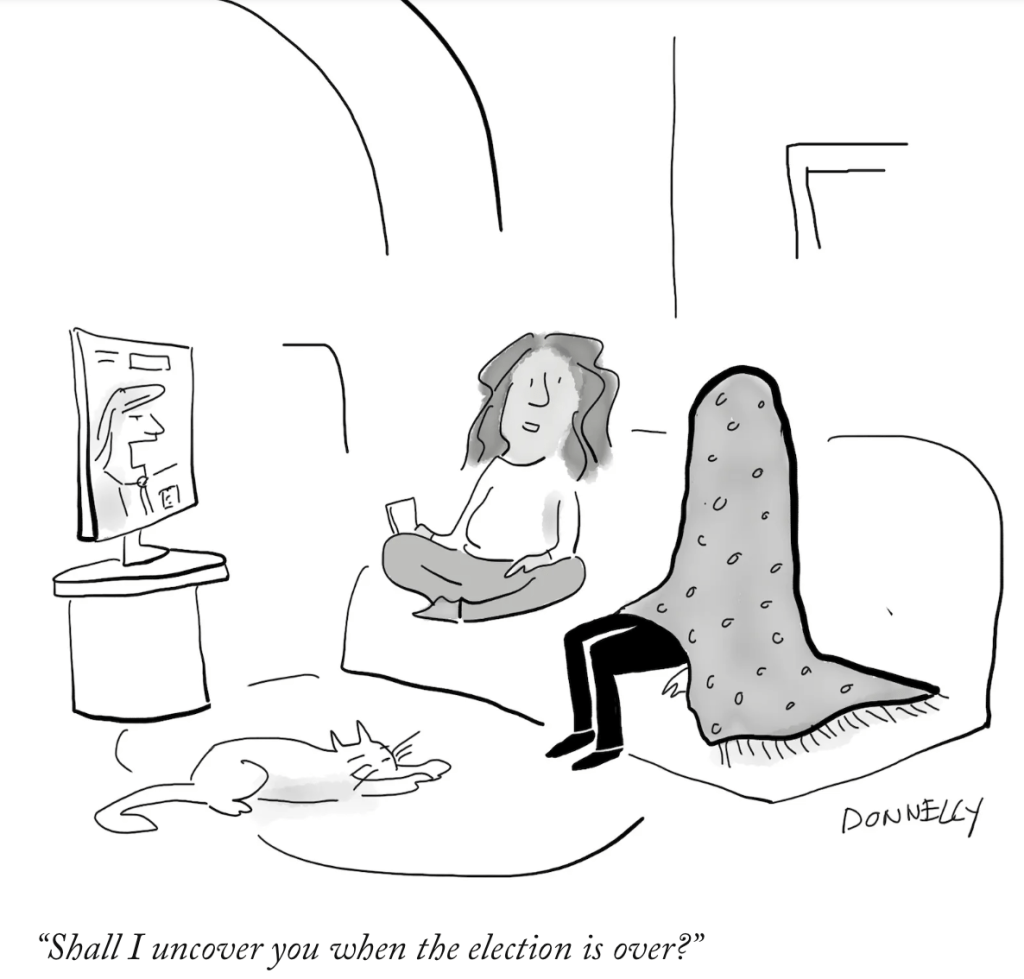
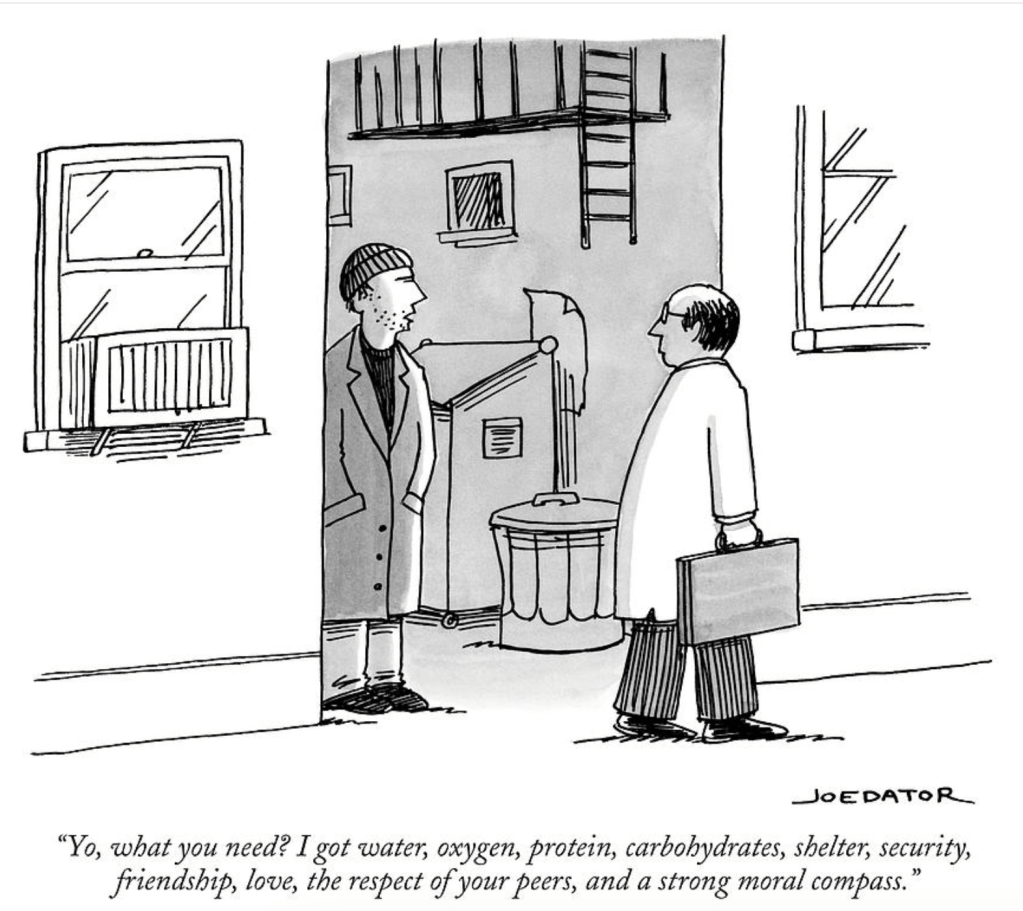
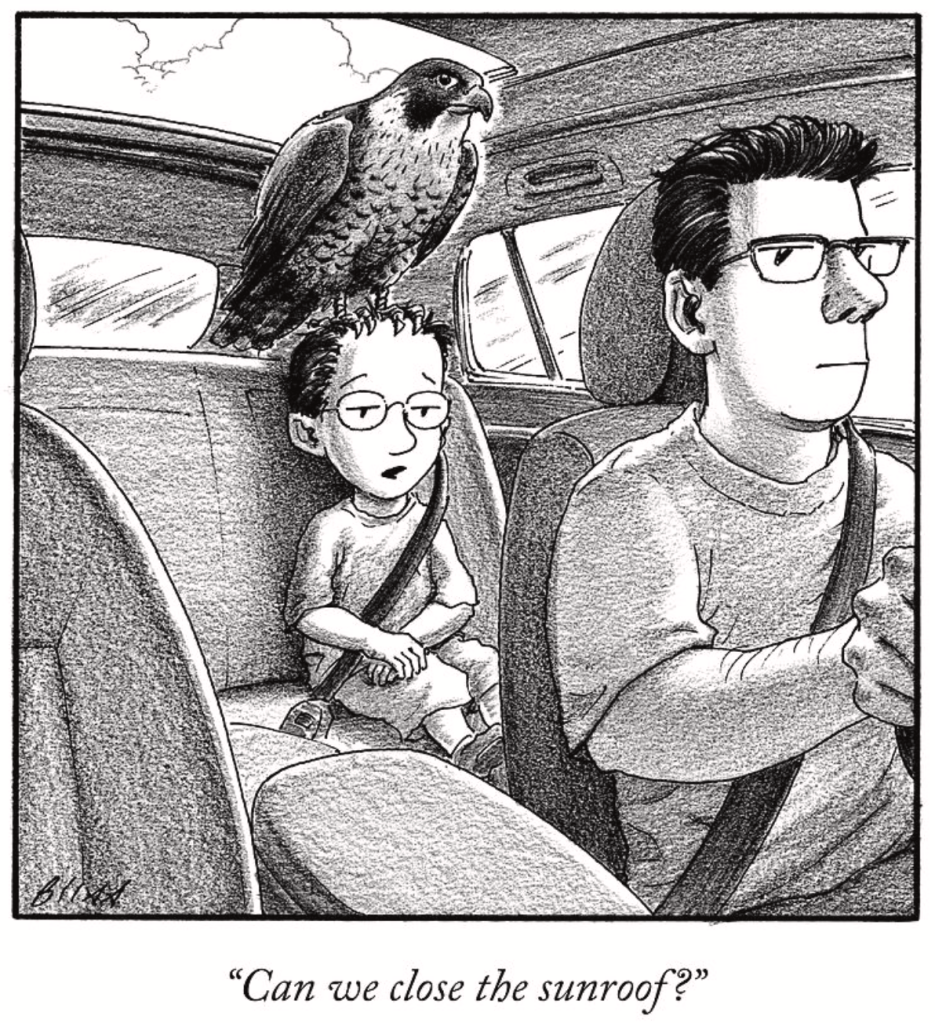
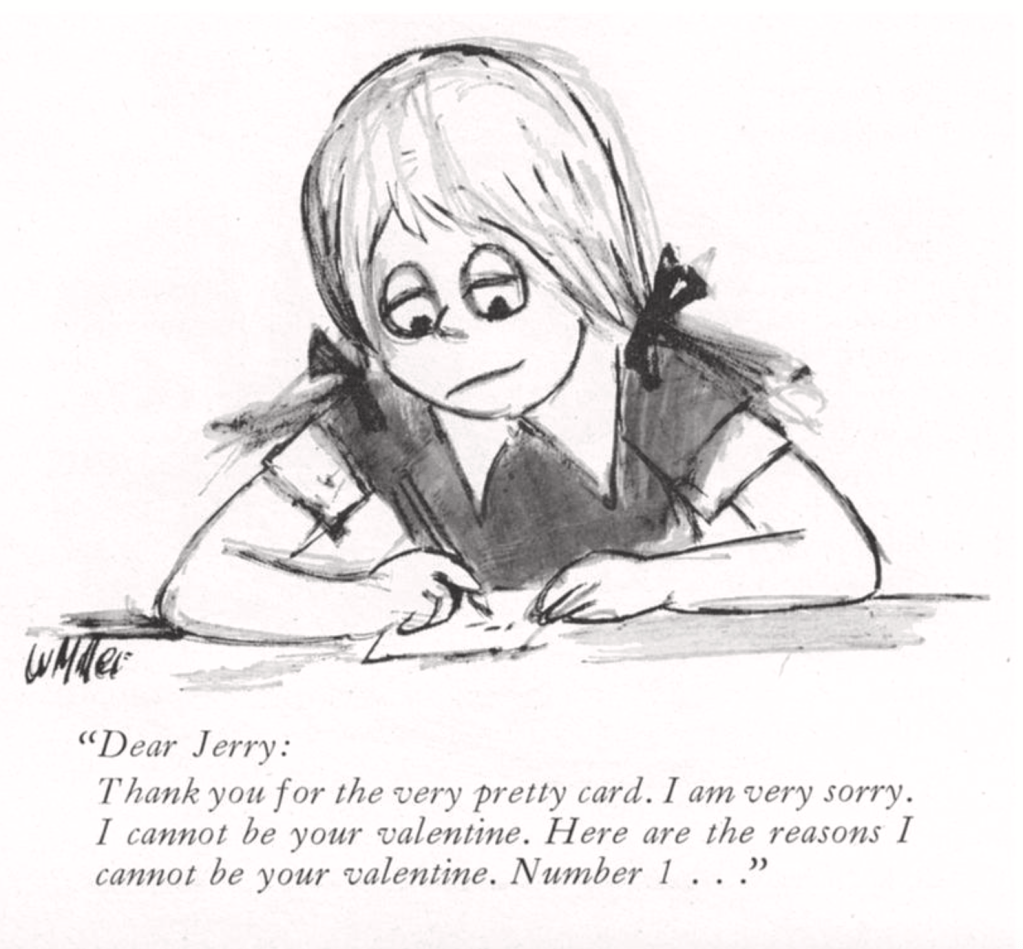
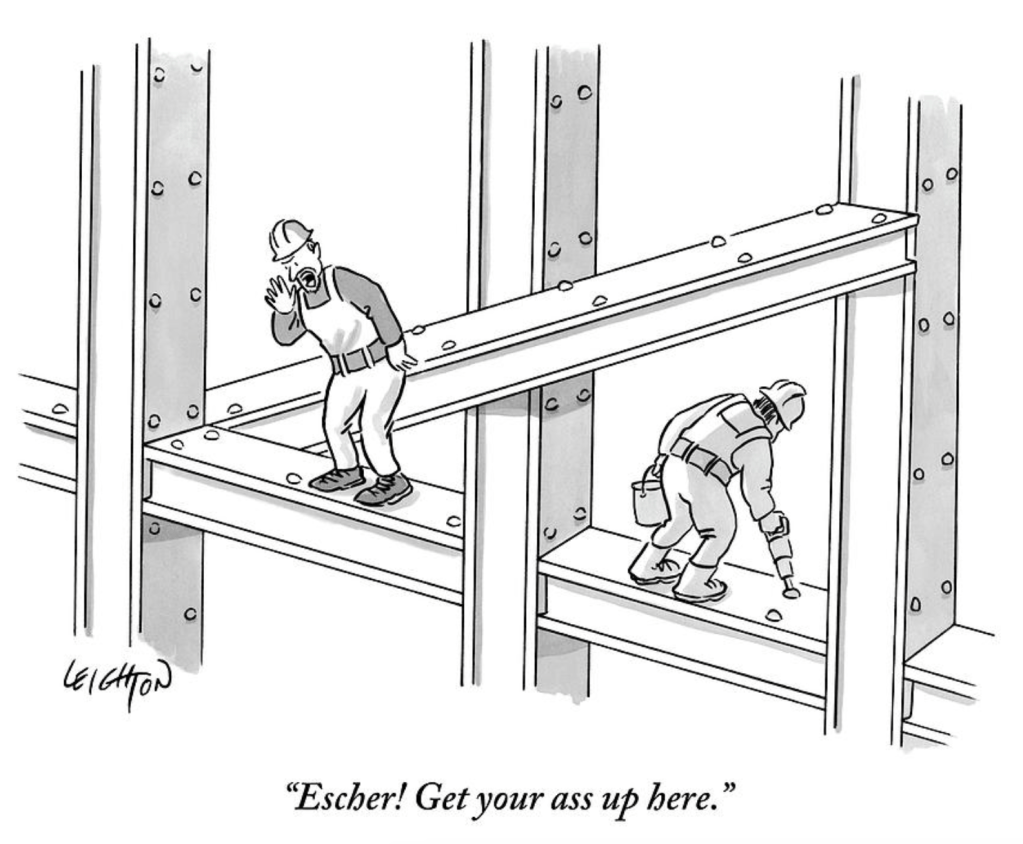
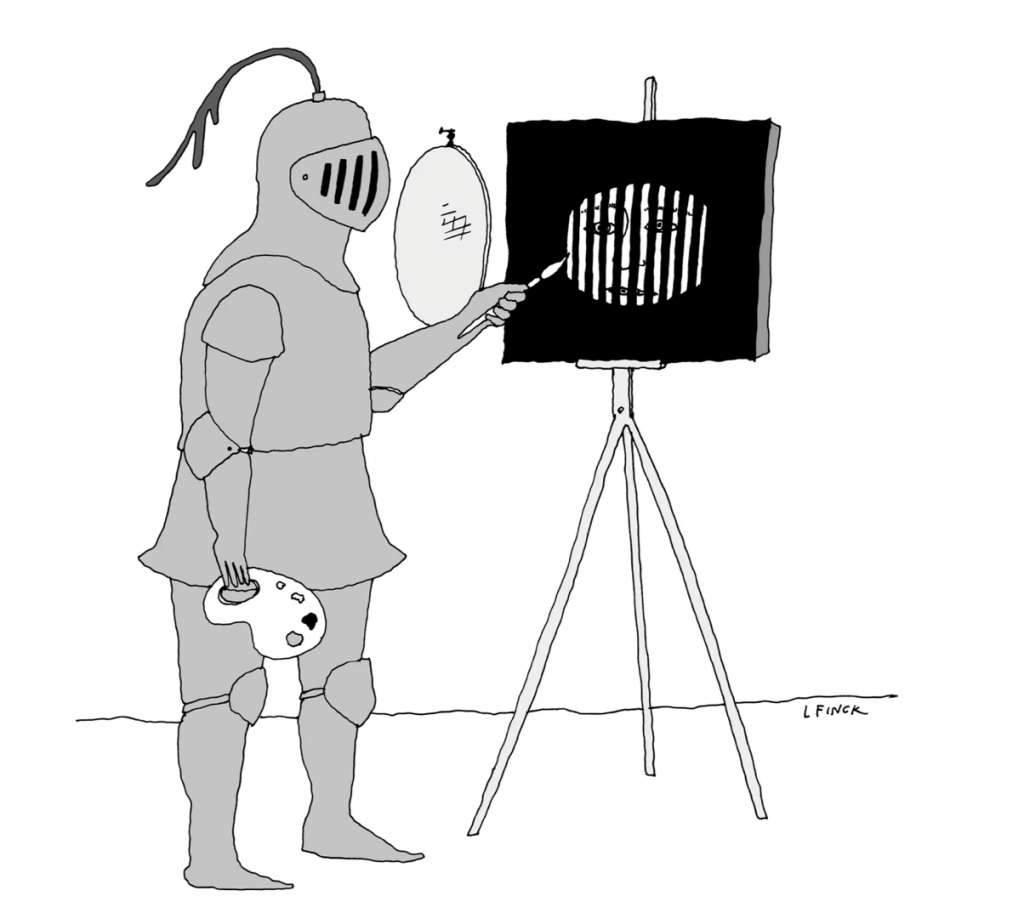
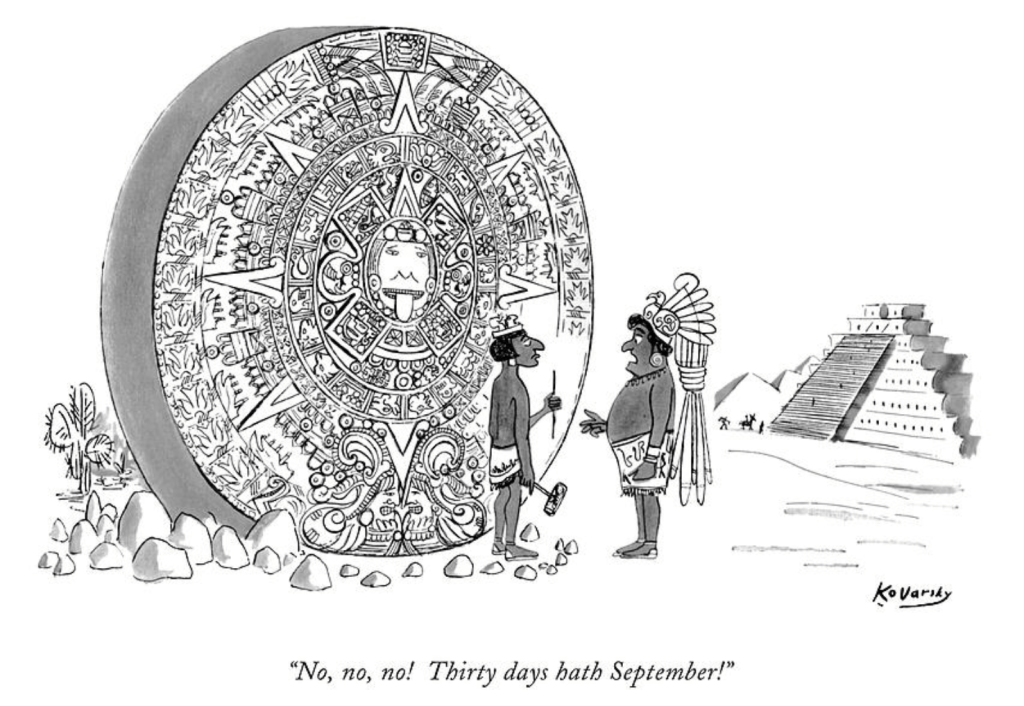
From The New Yorker Archives

******

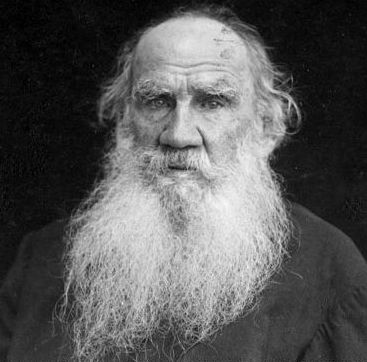
I’m still reading War and Peace and having a fine time of it, but am already looking forward to the next book. Yesterday I ran across a review of a new translation of what is an apparent classic that I had never heard of, Pedro Paramo, by Juan Rulfo (who I also had never heard of).

This is not unusual, since I have long ago discovered that my education has been truly a hit and miss affair. The number of worthy books that I not only haven’t read but am not even aware of must be awfully long since hardly a week goes by that I am not put on notice of my deficiencies.

But why be excited about Pedro Paramo? Because it was the novel that inspired Gabriel Garcia Marquez to write his beautiful One Hundred Years of Solitude, that’s why. And One Hundred Years of Solitude has two distinctions for me personally. It opened my eyes to the wonders of magical realism, and is the only book that no one I recommended it to ever finished. Most of them grumble and turn away whenever I ask how they are coming with their reading. Some of them have stopped returning my calls.

The world continually surprises me.

Guitarras, Lloren Guitarras, by Cuco Sanchez

******

Yesterday a small amount of snow fell, just enough to cover the ground completely and put our cats into a funk. They hate stepping into anything that gets their paws wet. At such times the usage of the litter-box increases greatly, as does the chore (for me) of keeping it presentable.

I haven’t been keeping up with how the ski areas in Colorado are doing regarding snow depths. My interest in this sport fell off years ago when the rituals of wearing those uncomfortable boots and standing in lift lines began to tip the scales toward “What am I doing here?”

When you stand back and look at the sport from a distance, it’s really just the fulfillment of a childhood fantasy, isn’t it? You loved sledding down hills, but climbing back up was always annoying. Now, for only a few hundred dollars a day, somebody will haul you up the hill and save you all that trouble. And you get to wear all those darling outfits! What’s not to love?

******

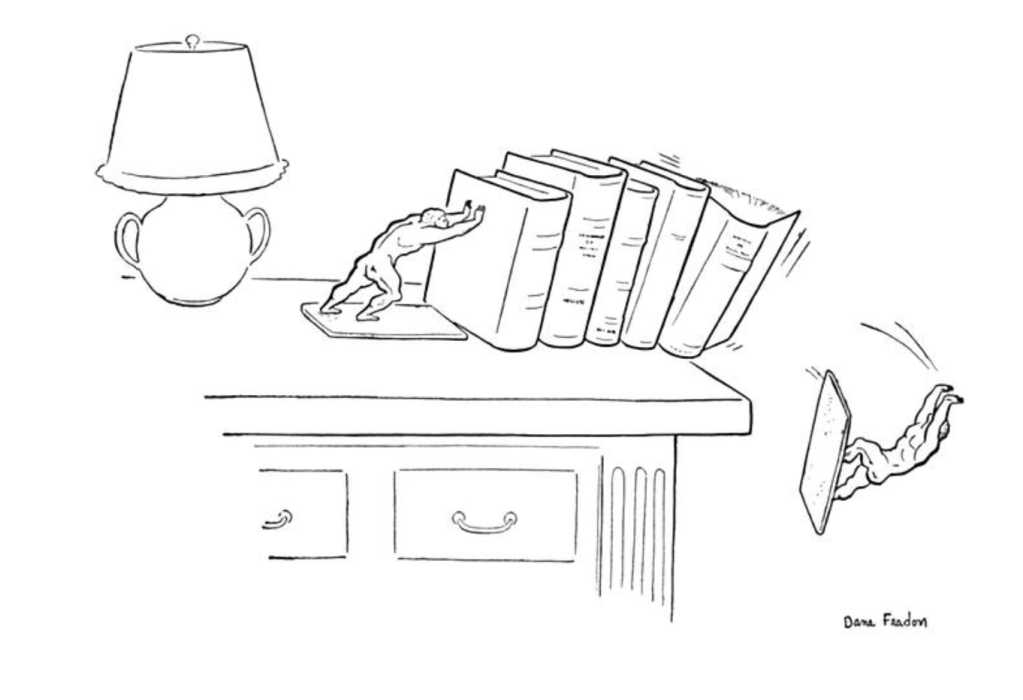
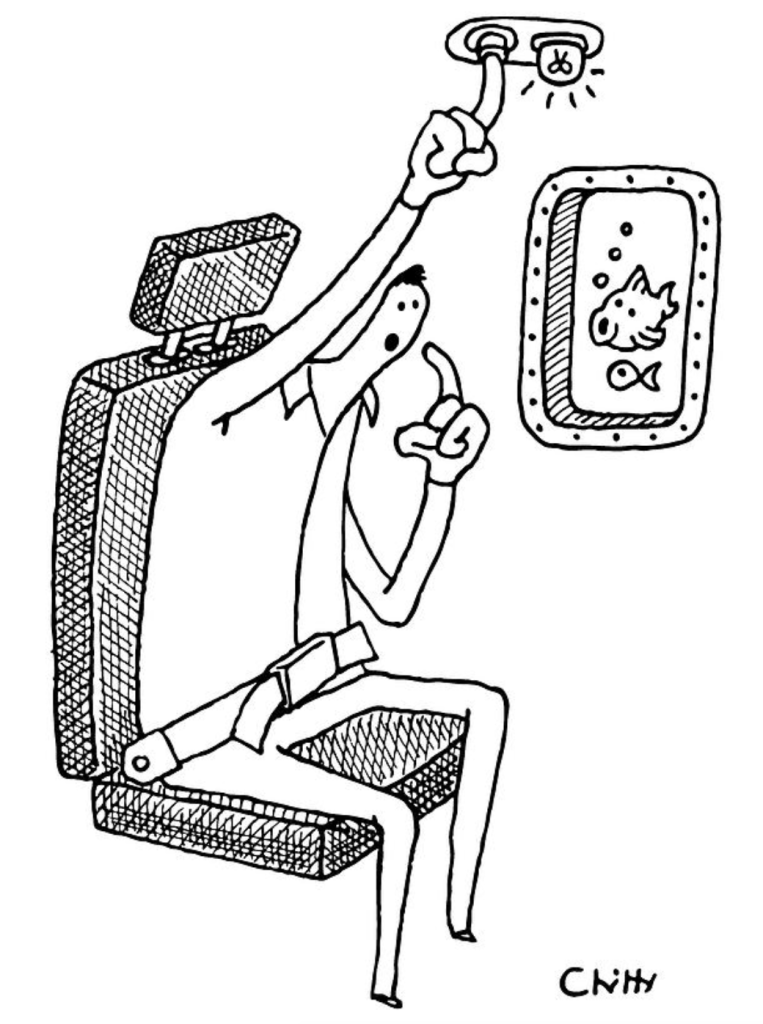
From The New Yorker Archives

******

Cancion Mixteca, by Ry Cooder

******

It’s always hazardous to have litmus tests for voting, and letting them be the kicker in one’s decision. It’s a closed-minded thing to do. But here I am suggesting one for you to consider. Any candidate who doesn’t promise to wear themselves to a nubbin through working on climate change from the day they take office should not be considered, no matter what other opinions or positions they hold. If we don’t solve the big one, arguing about the others becomes sort of moot.

******
Life, A Manual

Cooking rice should be easy, right? It’s only a smidge more complicated than boiling water. You put dry rice in a pot, add the suggested amount of water, and turn on the burner. One problem is that you are sort of locked into the area near the stove to watch for spillovers, scorching, and other minor kitchen catastrophes. You also have to watch to see when the rice is at the point of tenderness that you wanted in the first place and has not moved into the area of unattractive mush. 

Enter rice cookers. You add rice and water, push START, and off you go to take a nap while it creates a perfect mound of fluffy grains ready for whatever you want to do with them. More than a decade ago, when I decided that such a cooker was worth having around and taking up space in the pantry, I scorned the cheapest versions and went with an upscale model. More expensive means better, more sophisticated, bigger smiles on the cook’s face … right?

Wrong. Although the internet suggested that the higher-end machine would be a much better choice, when it was delivered I discovered that the English portion of the owner’s manual was written by someone who was obviously an extraterrestrial. It was less than useless, because whenever I tried to read it I ended up irritated and unhappy. Through trial and error I figured out how to turn the device on and cook some rice, but I never discovered what all that extra money I’d paid would do for me because one day in a fury I took it out into the driveway and reduced it to rubble it with a sixteen pound sledge. Then I started a campfire with the manual. 

Next I tried a cooker that cost less than thirty dollars (at the time) and which made no promises other than to cook my rice well if I followed the simple pathways outlined in the small, but adequate manual. The manual had also been written by someone who was gifted in explaining things clearly and unambiguously, which is no small skill.

I’ve never looked back. 

******
Going Home (Theme from Local Hero), by Mark Knopfler

******

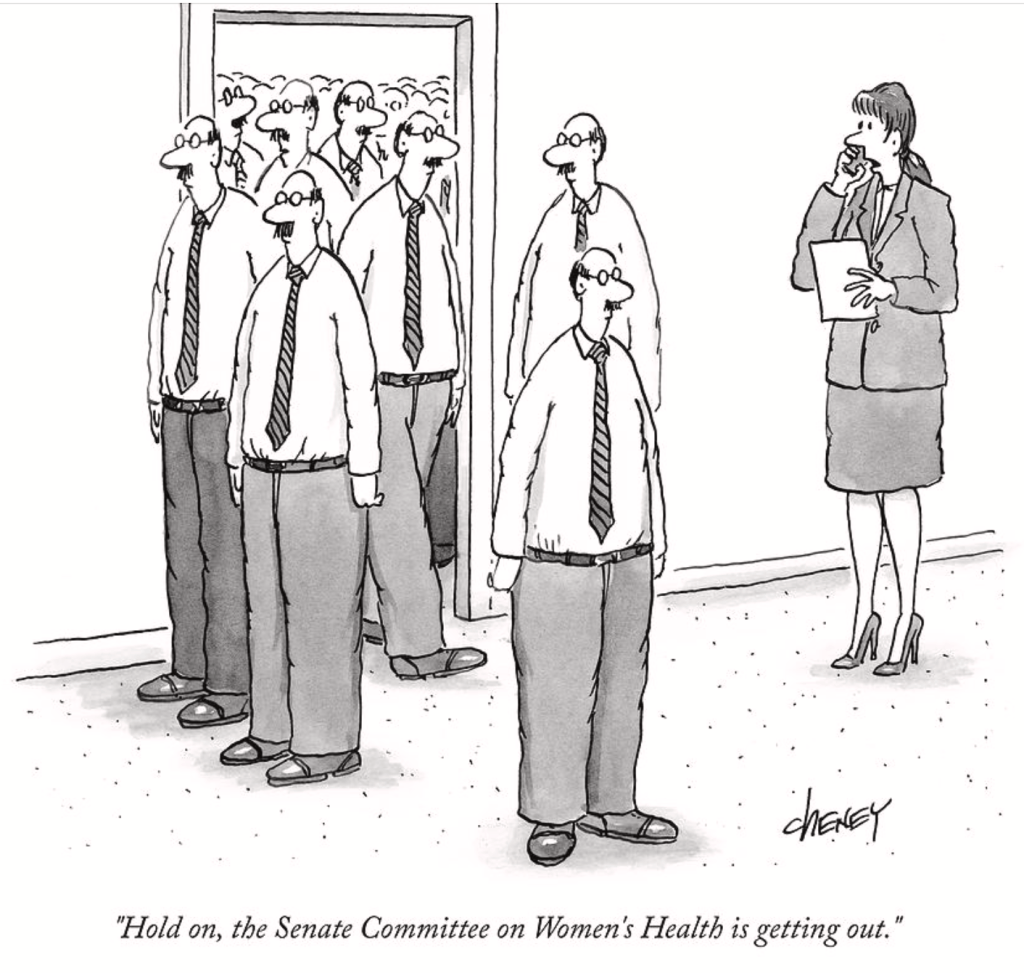
From The New Yorker archives

As I wrote the above entry I was reminded of Robert Pirsig’s book Zen and the Art of Motorcycle Maintenance. One of the topics touched on was the art of writing technical manuals, and how important (and rare) it was to find really excellent ones as you journeyed through life. Many of these were opaque, some were foolish, some were actually dangerous. 

When I was involved in teaching medical students, I structured my lectures and discussions along lines similar lines to what he had suggested. Instead of taking everything I knew about a subject and compressing it into a sixty-minute diatribe, I took a step back and asked the questions:

  • What did I want the student to take away from spending that hour with me? 
  • How could I communicate this in the clearest way? 
  • Since I wasn’t really an “expert” but a generalist, what was worthwhile about my perspective?

 Once I had answered these questions for myself, I could then work backward and build that hour of educational interaction. I used much the same approach to patient care in my office. For example if the child had an ear infection, and required medication as therapy, what did the parent need to know to feel competent and to follow my instructions?

  • How to store the medication I’d prescribed
  • How and when to give the medication
  • What and when to look for in improvement
  • When to call back if things didn’t seem to be getting better
  • Why followup was a good idea

This same checklist could be applied to almost any common pediatric condition, from pneumonia to diaper rashes. At this point I must confess that I didn’t do this when I started out in practice. 

Unfortunately I had to learn the value of such a list piecemeal, often by making the error of thinking that somehow the parent would absorb everything I said and remember it entirely when they got home, and had also spent two years in a medical education setting before becoming a mom or a dad.

******

Why Worry, by Dire Straits

******

I have become a winter wimp. I’ve reached the point where temperature, wind velocity, humidity, and depth of snow cover are all fit into a formula that decides whether I will go out for a romp. Most of the time my formula tells me to sit in my recliner, pull an afghan up around my neck, and stare out the window in the most creative manner that I can muster.

I don’t know when or how this happened. I tried to look up the subject in Egregious. P. Gallbladder’s immense book, How To Explain Everything That Ever Happens To You. Although the book is 2100 pages long and can give you a hernia just moving it from place to place, there is a common thread that runs through the entire tome. 

Everything nasty, painful, awkward, troublesome, messy, and embarrassing happens to a person exactly one hundred times more often when they become a senior citizen.The term “senior citizen” is actually a euphemism for Dartboard of the Universe.

So it was no surprise when I looked up the chapter on Aversion To Going Outdoors When It’s So Cold That It Could Freeze The Tender Parts Of A Brass Monkey and found that the most common cause was the state of geezerism.

Therefore, I’ve given Robin a large pointed stick and permission to jab me with it whenever I pause at the open front door and start to claim an infirmity of any sort at all as a reason to stay indoors. I do have one small concern, and that is the gleam that came into that worthy woman’s eyes when I mentioned the word “jab.”

******

Sultans of Swing, by Dire Straits

******

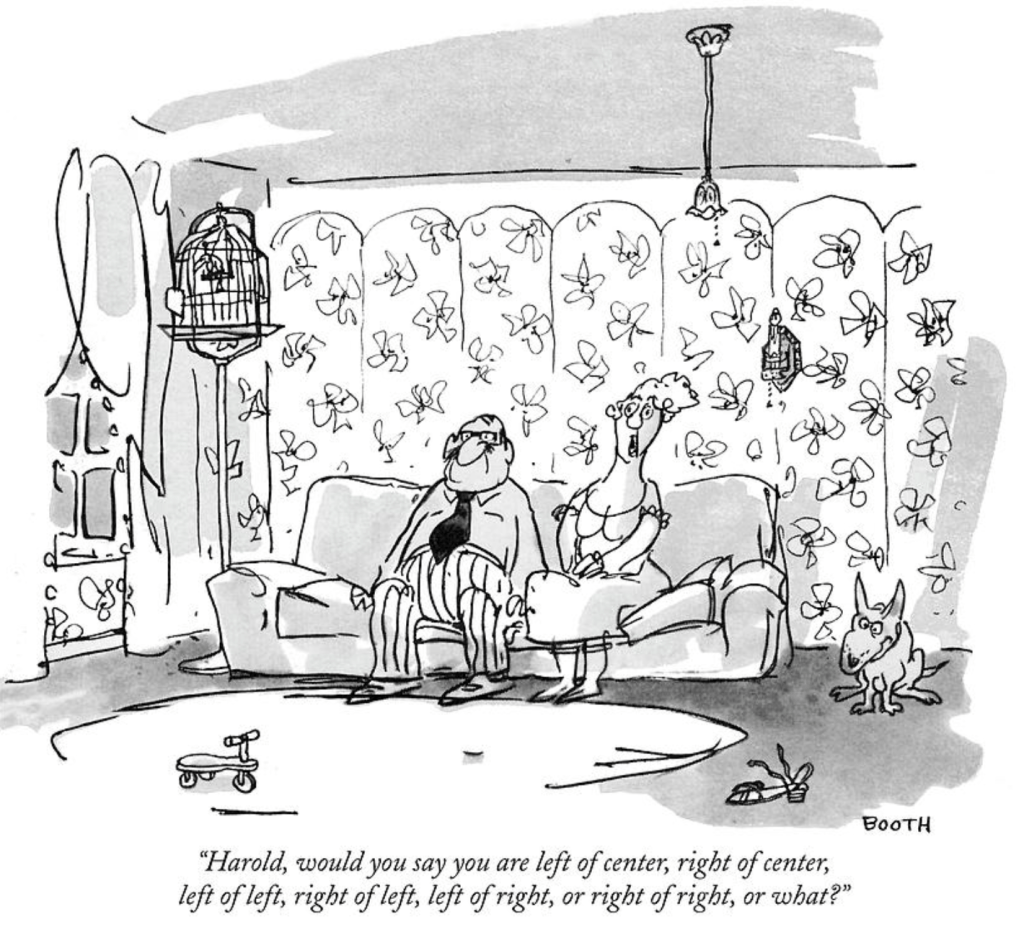
From The New Yorker archives

******

In a well-written article on owls in our local paper today, the writer used the phrase “ethical hunter” when referring to himself. These words appear to be used by hunters as a salve for their consciences when at some level they sense that killing another sentient being for fun says something about who they are that needs defending.

I googled the phrase and found this interesting piece on the subject, written from a philosopher’s perspective.

******

Ally and Kyle were guests at Basecamp this week. Entertaining in January does not play to the strengths of life here in Paradise, but they operate a small farm, and winter is their “free” time. In spite of cloudy skies and chilly temperatures, we enjoyed ourselves thoroughly. 

Their farm grows vegetables for market and local restaurants, and if you want to see how beautiful a well-tended garlic plant can look like, schedule a visit. 

During one conversation, the subject of the “Barbie” movie came up, and when I learned they hadn’t seen it, I wished that somehow we could have set it up. Because it’s hard for anyone who hasn’t been to accept that that there was so much meat there in what could have been only a superficial film comedy. This clip is part of what I am talking about.

I find myself wishing there was such a movie for men. Not to take away anything from the struggles that women go through, but they are not the only ones living with unreasonable expectations and impossible contradictions. When Buddhists talk about suffering that we cause for ourselves, this is some of what they mean. 

Knowing how difficult life can be, why are we not more supportive of one another? Why should anyone have to deal with low self-esteem when this is a concept created entirely from whole cloth? On a ferociously crowded planet, why is loneliness so pervasive? 

Thich Nhat Hanh once said that if we want world peace, we should start by being peace. He even wrote a book about it.

When I first read the book, I wasn’t ready for the message. I was too young, too callow, too much caught up in intellectualizing the subject.

I am still way too much the callow youth, but I think that I have made progress in stopping the wars with myself and those I love. Now I need to work on my truces with the people on the street where I live.

You can play life as a zero-sum game, but you only have to take a glance at this morning’s newspaper to see where this approach has gotten us. There are other ways to live. 

******

Air Force Blues

It’s January of 1970. I’m stationed in Omaha, Nebraska with the US Air Force. When I arrived at Offutt AFB in late July, I replaced a man who had been only a year ahead of me in my pediatric residency. We seemed about the same size, so I bought all of his uniforms. Turned out that I was a teensy bit taller than he was, but the USAF didn’t care if my pants were slightly of what used to be called the “high-water” variety.

The war in Viet Nam was still cooking awfully well, and although I seemed relatively safe in Nebraska, where no Viet Cong had been seen in months, there were never any guarantees in the armed forces in wartime. There were 37 draftee physicians at that hospital, and we knew that any one of us could be picked up and deposited in Southeast Asia if a need was felt. It happened twice to guys who were serving there with me.

******

Bridge Over Troubled Water, by Simon and Garfunkel

******

But at that moment, the worst thing that I had to deal with was Winter. The winter weather in Omaha tended toward ice, freezing drizzles, and sleet. 

There was a gentle uphill to the hospital from the house on the base where my family and I lived, but sometimes cars just couldn’t cut even that modest slope, and I would walk the mile to work rather than take my car. 

Earlier in the week I had read about a new album done by Simon and Garfunkel. Up to that time, I knew them only for the tune Sounds of Silence. But this new effort of theirs was getting raves, so I bought the album, and one icy afternoon I finally had time to put it on a turntable for a listen. The album title was Bridge Over Troubled Water, and I positively loved it.

******

Cecilia, by Simon and Garfunkel

******

For the next couple of years it was in constant rotation at our casa. It has held up well, and when I put it on yesterday I felt that old connection. I remembered how it had cut through the gloom I had felt in 1970, serving during a war I knew was the result of a series of bad choices by our government. Lethally bad choices. 

******

When I first arrived at the base, I was required to make an appointment to introduce myself to the hospital commander. Col. Lewis had only one photo in his office. It was not of his wife, nor of his children, but was a framed 8×10 full frontal picture of the face of his English bulldog.

******

The Boxer, by Simon and Garfunkel

******

Of all the ballads I’ve listened to in my life, there is none that I have liked better than Simon and Garfunkel’s version of The Boxer. Its durability is revealed by the scores of covers out there, and that they each reveal the core of truth in the lyrics in their own way. A song of the human spirit, and a view that I happen to hold. We are a mongrel lot, we humans, but we are an absolute bugger to completely beat down.

Or cut him till he cried out in his anger and his pain
I am leaving, I am leaving, but the fighter still remains

***

Here’s an a cappella version from England.

The Boxer, by The King’s Singers

A version done by Portuguese musicians.

The Boxer, by LImao Com Mel

Waylon Jennings does a fine country-western version.

The Boxer, by Waylon Jennings

It’s all in how you tell the story, non?

******

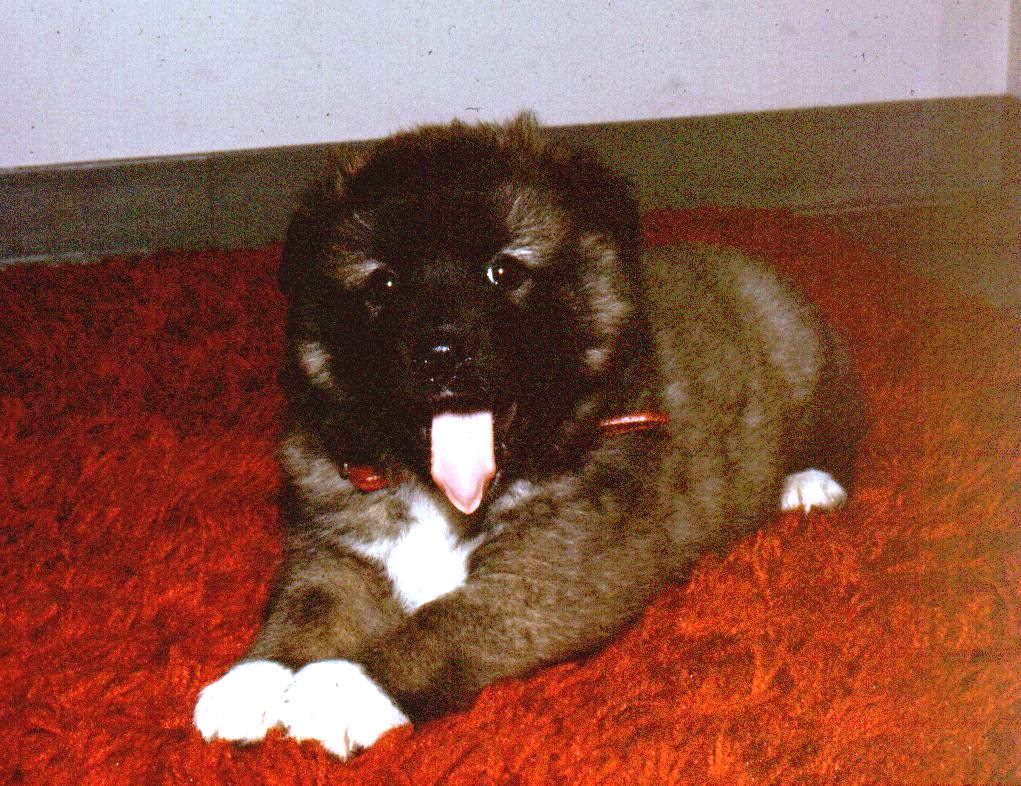
One Sunday morning at the Unitarian Church in Omaha NE, there was a part of the service where members of the congregation were given the opportunity to share. I had to miss that particular meeting because of being on call, but when a fellow stood up and said he had puppies to share, my family voted to accept his offer.

Lady had no pedigree to speak of but on the day she joined our family she was simply an irresistible fluffball. My kids at the time were 1,2,4, and 5 years old. I wasn’t sure that we were ready for dog ownership, but it was obvious that if I expressed any reservations and it came to a vote it would be a solid 5 to 1. I did not have the courage for that fight.

She turned out to be an excellent and well-behaved member of the family. Maybe the best-behaved of all of us, actually. She had one quirk, and we have no idea why this was so, but she only tolerated people with fair skins. There was a dark-skinned meter reader who came to the house periodically and we had to bring the dog in and put her in a room until he had left because she would go into a fury. 

And a young boy in the neighborhood had a hereditary liver disease which made him perpetually jaundiced, which also put him on Lady’s short list of people I might very well bite. Whenever Peter was nearby we were especially watchful.

When we lived in Buffalo NY there was a power line that reached from the alley to our home, and which passed through the branches of a huge butternut tree. A squirrel would regularly traverse that line from the alley as far as the tree to gather nuts, and Lady would run back and forth beneath the line, barking as the rodent made its rounds. She was frustrated every day that this happened, until about a week before we moved out of that house. When the squirrel made a misstep and fell to the ground, where Lady waited. 

End of story.

******