I have started to write the Great American Novel scores of times. Each effort was eventually scrapped. If I have any talent at all it seems to be in shorter pieces, essays, poems … the sort of meanderings found in this blog, for instance.
Which is why when I first came across haiku and bothered to learn something about it, I knew instantly that I was among friends. It was the economy of it all, the formalities, the natural themes that appealed to me. The Japanese must take all of the blame for starting me on this path. Traditionally haiku are three-lined poems, of 5-7-5 syllables per line. Most of those I selected today but the very last one are by Japanese masters of the art, but that 5-7-5 format did not survive translation.
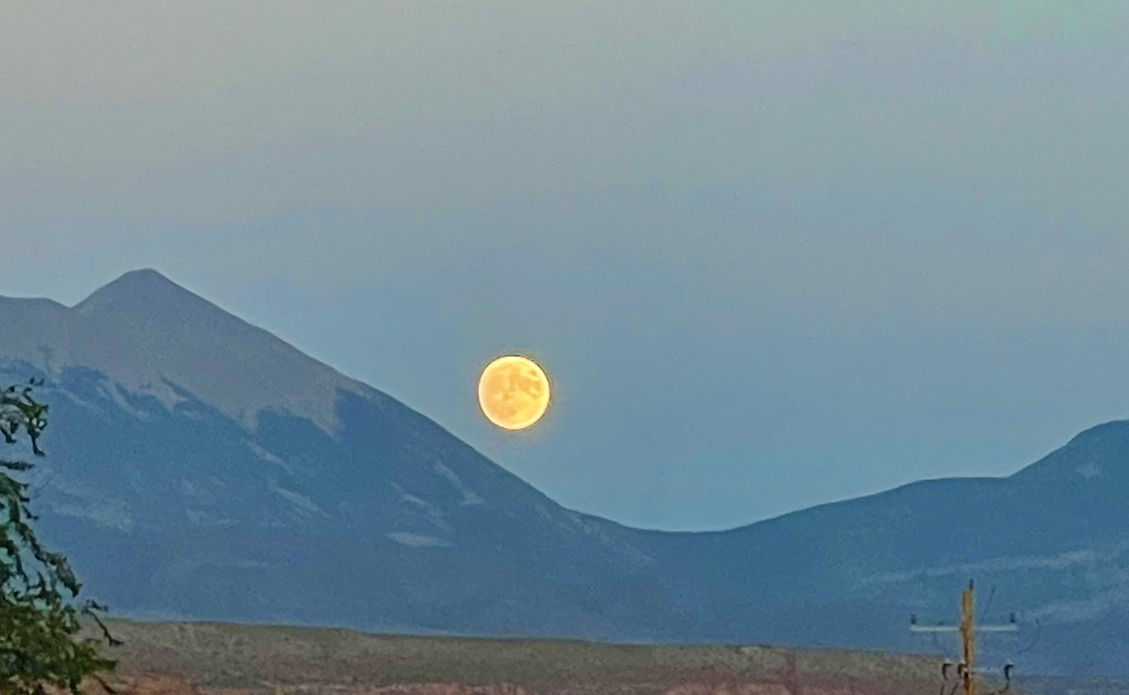
To me, they are like photographs, whereas a novel might represent a movie. It’s not too hard to put myself or my experiences into the picture with haiku, which is part of its charm.
***
When the winter chrysanthemums go,
There’s nothing to write about
But radishes.
Basho
***
***
Here,
I’m here—
The snow falling
Issa
***
Going home,
The horse stumbles
In the winter wind.
Buson
***
***
Cover my head
Or my feet?
The winter quilt.
Buson
***
Winter solitude—
In a world of one color
The sound of wind.
Basho
***
***
Miles of frost –
On the lake
The moon’s my own.
Buson
***
The snowstorm howling,
A cautious man treads upon
Bare and frozen earth
Anonymous
***
***
Some comments on the music –
Song for a winter’s night: there’s a cabin, a crackling fire, and a big ol’ down quilt to get under. We just have to find where Gordon put them all.
Colder than winter: I have experienced winters of the heart, and since I know that I am not unique, perhaps you have as well. Vince Gill never sounded better or more plaintive.
Winter: from Tori Amos’ first album, an exceptionally brave and talented young artist just getting her career underway.
Winter: yes, yes, of course Peter Kater is New Age-y as he can be, but it’s still a rather nice way to pass a few minutes. Remember how way back in those dim dark days (almost) beyond recall when your teacher in “music appreciation class” would put on a piece of music and ask that you imagine that it was snowing or raining or that the oboe’s voice was a duck quacking? Well … have at it.
***
 Little Home In The Valley
Haiku really are complete stories in a condensed form. Love them!
LikeLike